Injection mold manufacturing plays a crucial role in the development of modern plastic products, supporting many industries that require high-precision plastic components. Commonly, automotive parts, consumer electronics housings, medical devices, and industrial plastic products are produced through the injection molding process.
A well-designed injection mold ensures stable production, consistent product quality, and efficient manufacturing cycles. By understanding the injection mold manufacturing process, engineers, product designers, and sourcing managers can reduce development risks and control tooling costs.
Injection mold manufacturing normally includes several stages. The complete process includes product design analysis, mold design engineering, mold machining, mold assembly, and mold trial before mass production begins.
Product Design and DFM Analysis
The first stage of injection mold manufacturing begins with product design and DFM analysis. DFM means Design for Manufacturing. DFM analysis evaluates whether a plastic product design is suitable for injection molding production.
Engineers usually analyze several important factors during DFM analysis.
Wall thickness distribution
Draft angle design
Rib and boss structure
Plastic material selection
Potential undercut structures
Proper DFM analysis helps avoid common injection molding problems such as warpage, sink marks, and filling imbalance. Optimizing the product structure before injection mold manufacturing significantly reduces the need for tooling modifications during later production stages.
Injection mold manufacturers usually provide professional DFM reports before mold manufacturing begins. Early engineering analysis improves production efficiency and reduces overall injection mold manufacturing costs.
Injection Mold Design Engineering
After product design approval, injection mold manufacturing continues with mold design engineering. Mold design determines how plastic material flows inside the mold cavity and how molded parts are ejected from the mold.
Injection mold design normally includes several key elements.
Cavity and core layout
Gate location design
Runner system structure
Cooling channel layout
Ejection system design
Professional injection mold design ensures balanced plastic flow and efficient mold cooling. Balanced plastic flow reduces injection molding defects. Efficient cooling shortens cycle time and improves production efficiency.
Modern injection mold manufacturing companies use advanced CAD software and mold flow simulation tools to optimize mold design. Mold flow simulation predicts filling behavior, weld lines, air traps, and cooling performance before mold manufacturing begins.
Mold Machining and Component Manufacturing
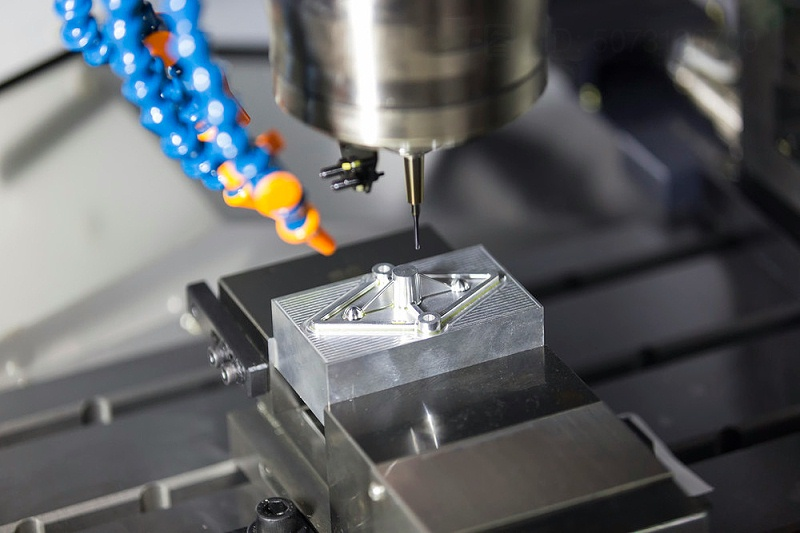
After mold design confirmation, the injection mold manufacturing process moves into the machining stage. Mold machining produces various mold components with high dimensional accuracy.
Precision machining processes used in injection mold manufacturing include:
CNC milling
EDM machining
Wire cutting
Drilling and tapping
Surface grinding
Injection mold manufacturing requires high-quality mold steel materials. Common mold steel materials include P20 steel, H13 steel, and S136 mold steel. Different mold steel materials are selected depending on plastic materials, product surface requirements, and production volume.
High precision machining ensures that injection mold components meet strict tolerance requirements. Accurate machining quality directly influences mold performance and plastic part quality during injection molding production.
Mold Assembly and Surface Finishing
After all mold components are manufactured, technicians begin mold assembly. Mold assembly combines cavity plates, core inserts, ejector systems, sliders, and cooling components into a complete injection mold structure.
Injection mold manufacturing also includes several surface finishing processes during mold assembly.
Mold polishing
Surface texturing
Surface treatment
Mold polishing improves the surface quality of plastic parts. High gloss plastic parts require mirror-polished mold surfaces. Textured mold surfaces create matte or patterned appearances for plastic products.
Proper mold assembly ensures smooth mold opening and closing movement during injection molding production. Accurate assembly also guarantees correct alignment between cavity and core components.
Mold Trial and Production Validation
Before injection mold manufacturing projects enter mass production, mold trials must be performed. Mold trials are usually conducted on injection molding machines inside the mold manufacturing factory.
During mold trial stages, engineers evaluate several production parameters.
Plastic filling behavior
Cooling efficiency
Mold temperature balance
Part dimensions and tolerances
Surface quality of molded parts
Injection mold manufacturing engineers may adjust processing parameters such as injection speed, holding pressure, cooling time, and mold temperature during mold trials.
Mold trial results determine whether injection mold manufacturing quality meets production requirements. Successful mold trials confirm that injection mold manufacturing has achieved stable production performance.
Conclusion
Injection mold manufacturing is a complex engineering process that combines product design analysis, mold design engineering, precision machining, mold assembly, and production validation.
Each stage of injection mold manufacturing contributes to stable injection molding production and consistent plastic part quality. Professional injection mold manufacturing helps companies reduce tooling risks, shorten development cycles, and improve manufacturing efficiency.
Understanding the complete injection mold manufacturing process helps product developers and sourcing managers make better decisions when selecting mold manufacturing partners.