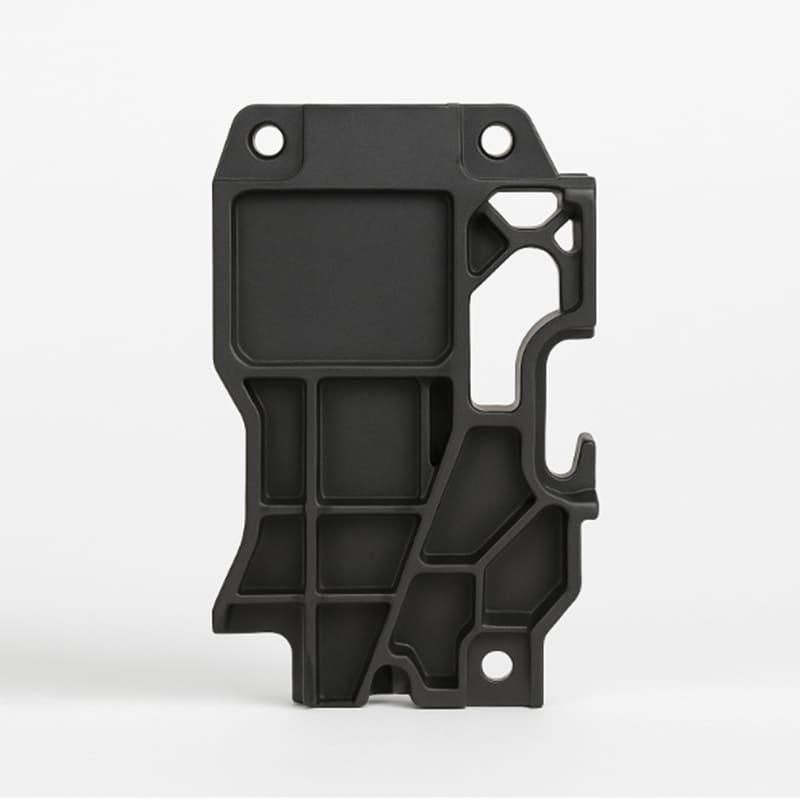
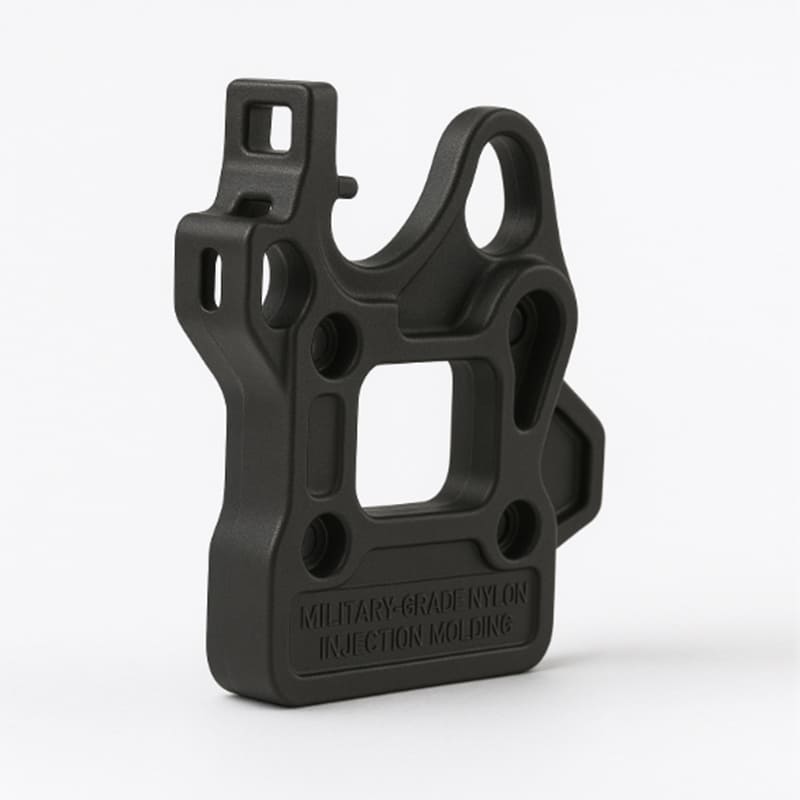
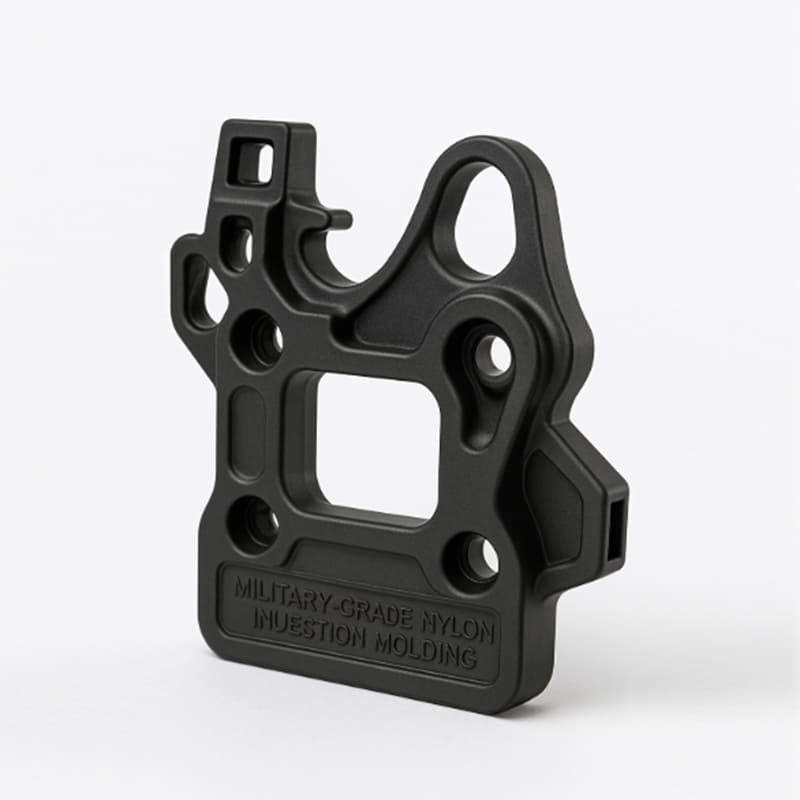
Military-grade nylon injection molding is not a common type of plastic processing. It involves the use of high-quality nylon, which requires military standards, with injection molding technology used to make polymer parts for military tools with enhanced strength and reliability.
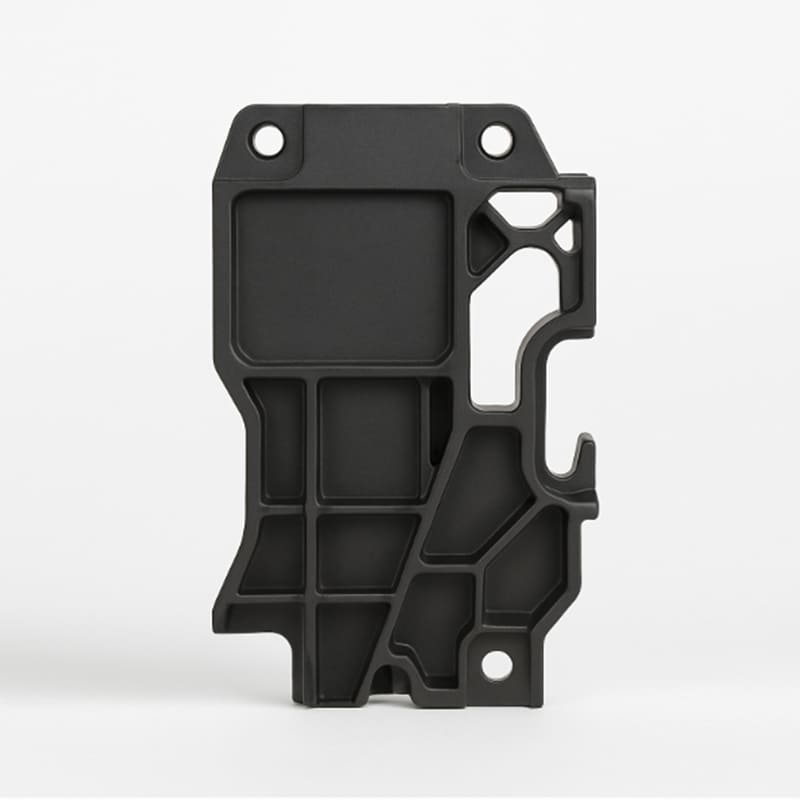
The intervention of this product series is aimed at making effective use of engineering plastics like PA6-GF/PA66-GF through high-pressure injected molding to produce important components for military equipment that possess a high structural strength, light weight, and specific functions like electromagnetic shielding. These produced components should provide geometric stability with a working efficiency that functions well in temperatures ranging from -40°C to 120°C, under constant vibrations, and in field chemical environments, thereby directly influencing the reliability of individual military equipment. We possess a strong ability to provide complete integrated injected molding services for military communication equipment with integrated radio frequency shielding.
JinYi Mould oversees the injection molding process of military projects under the IATF 16949 quality system, and our company adheres to the standards of precision manufacturing of power train automotive components to our military equipment. We specialize in the hybrid integration of plastic and metal components that meet military standards, focusing on key manufacturing process mastery, such as insert molding and ultrasonic welding, to achieve permanent bonding between the materials.
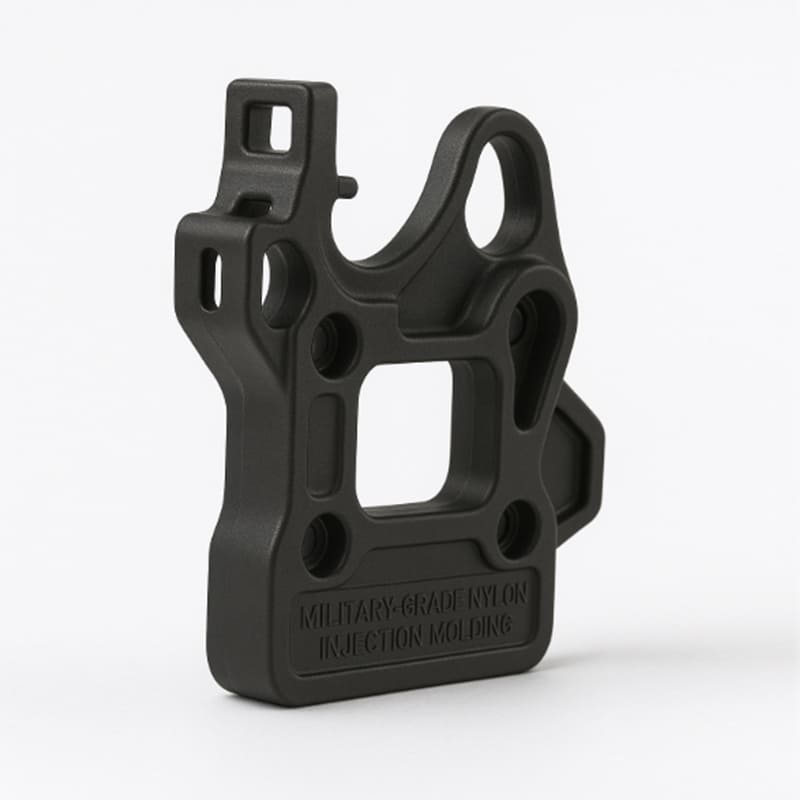
We use reinforced nylon with a 20%-50% weight ratio of glass fibers, which provides a tensile strength of 80-160 MPa. To satisfy the electromagnetic interference shield performance standard as defined for a military-grade RFI shield, we add a stainless steel fiber or a nickel-plated carbon fiber to support a 30-60 dB electromagnetic interference attenuation value at a 30 MHz to 1 GHz frequency band, as defined by MIL-STD-461 specification standards.
In fact, the molds are made from pre-hardened S136 or H13 hot-working mold steel, and the mold design has been improved in consideration for typical problems during the process of military equipment parts molding, namely wrinkles and thin walls. In addition, mold flow analysis with Moldex3D optimizes gating and cooling designs, ensuring that the dimensional difference within the nylon parts due to moisture absorption or the cooling process does not exceed ±0.08%.
To produce military-standard plastic and metal components, we carefully pre-place metal inserts in connectors into the mold cavity before injection molding and overmold them with melted nylon for structural consolidation to prevent assembly mistakes. The injection molding machine uses a closed-loop servo system to control injection pressure variation within±1% to ensure mechanical consistency for injection-molded products.
Stocks and grips don’t form critical parts of the firearm and can thus incorporate lightweight designs.
The essential items like military helmets and combat armor. Even as these are essential for protection and strength, they are designed to be as light as possible.
The products including walkie-talkie cases, battery cases, and GPS device protective cases have very good impact resistance, sealing, and electromagnetic shielding properties.
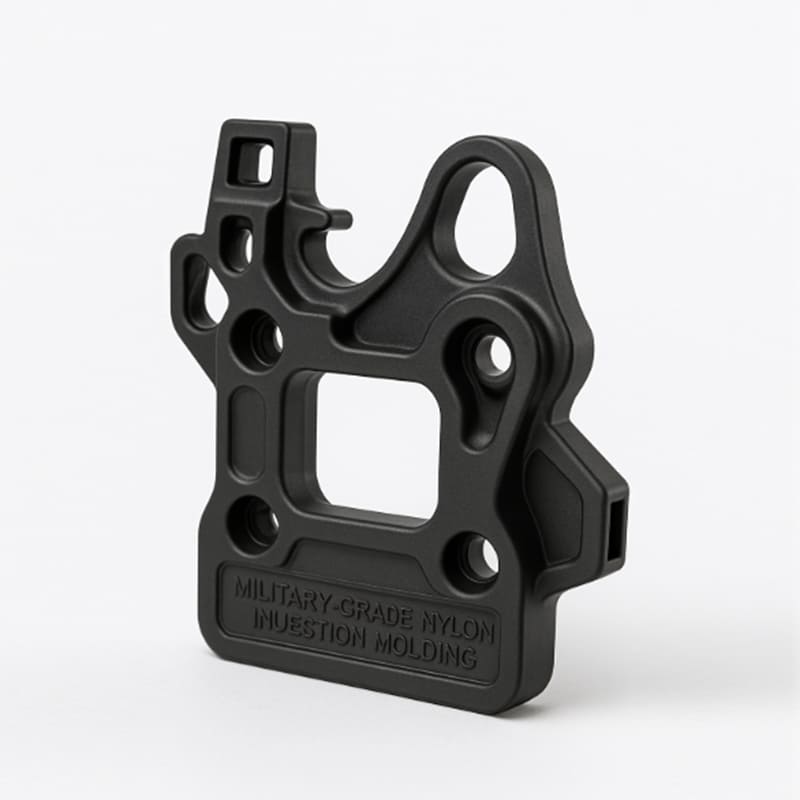
Additionally, we make use of a specifically defined verification procedure for the military-grade components made from nylon.
Volume resistivity analysis and Shielding Effectiveness (SE) verification testing are done on each lot of the shielding nylon. Tensile, bending, and Izod Notched Impact Strength tests are also done on various military plastic parts.
Finished products are also subjected to high and low temperature cycles from -40°C to 85°C, high humidity cycles, a 48-hour salt spray test, a 500-hour UV aging test, and chemical corrosion immersion tests involving materials such as diesel fuel and insect repellents.
A thorough examination of functional assembly characteristics is carried out with a 3D coordinate measuring machine (CMM). RF leakage scan testing is done for shield housings. In the case of military-standard hardware components, dynamic load testing is completed post-installation to simulate operating conditions.
The delivery capabilities at JinYi Molds are able to meet a wide variety of requirements, whether for pilot-scale production with rapid prototyping for smaller quantities to bulk deliveries of tens of thousands for production line delivery and installation projects. In upgrading current military-standard plastic products to design and develop advanced generational RF shielded self-contained radio enclosures for the military, JinYi Molds is able to offer extensive assistance.
If your particular requirements for your tactical equipment project relate to component lightweighting, environmental adaptability, or electromagnetic compatibility, please do not hesitate to contact our materials engineering team with your specific requirements. Please note that performance requirements, as well as cost requirements, should be specified, and we can work back from these requirements to create a design solution.
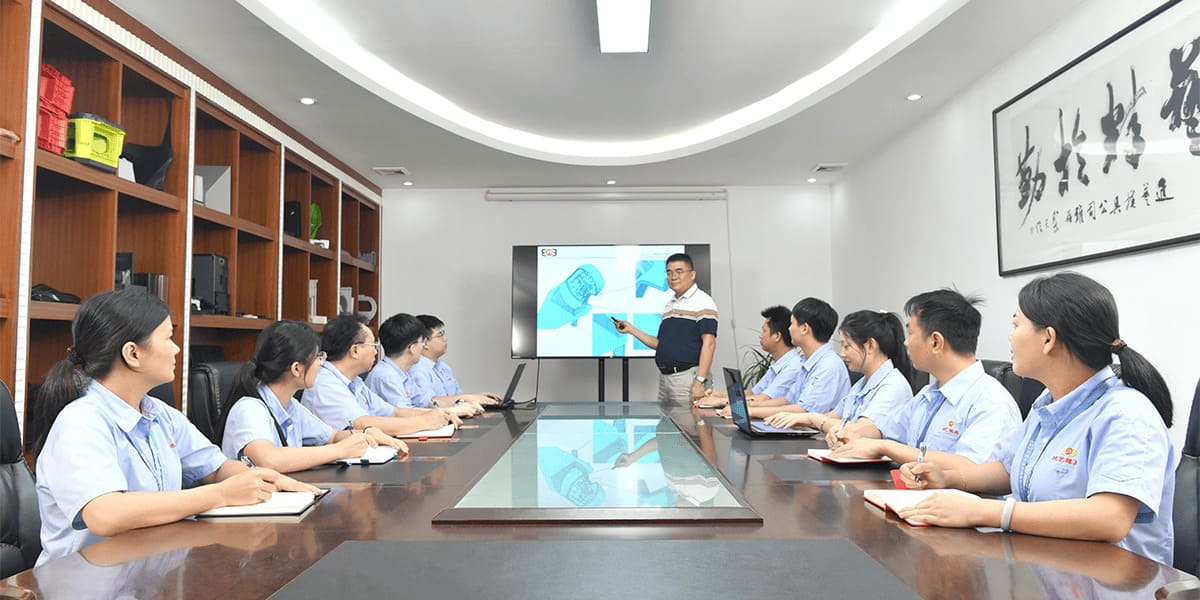
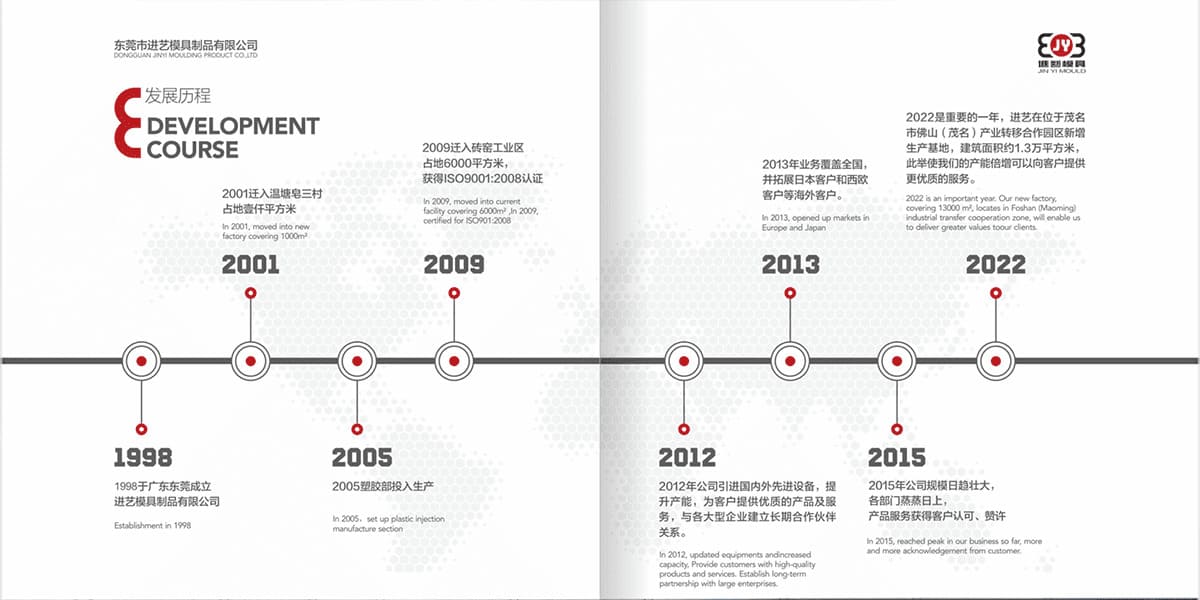
Jinyi Mold was established in 1998 and is headquartered in Dongguan, Guangdong. Our professional team provides injection mold and die-casting mold services, providing you support in every aspect from design, manufacturing to final assembly.
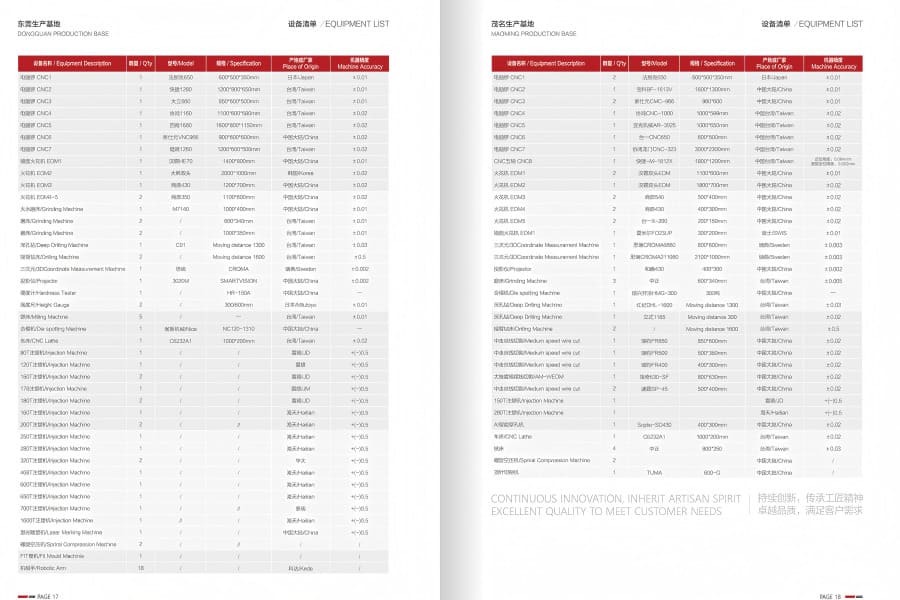
dozens of CNC machining centers (gantry & 5-axis), injection molding machines (80-1600 tons), EDM machines, automation equipment, etc.
Establish solid partnerships with Europe, Australia and Asia to carry out international export business.
Company production capacity: A 13,000㎡ production base in Maoming (built in 2022), backing an annual turnover surpassing 150 million RMB.
Possess High-Tech Enterprise Certification, ISO9001:2015 Quality management system certification.
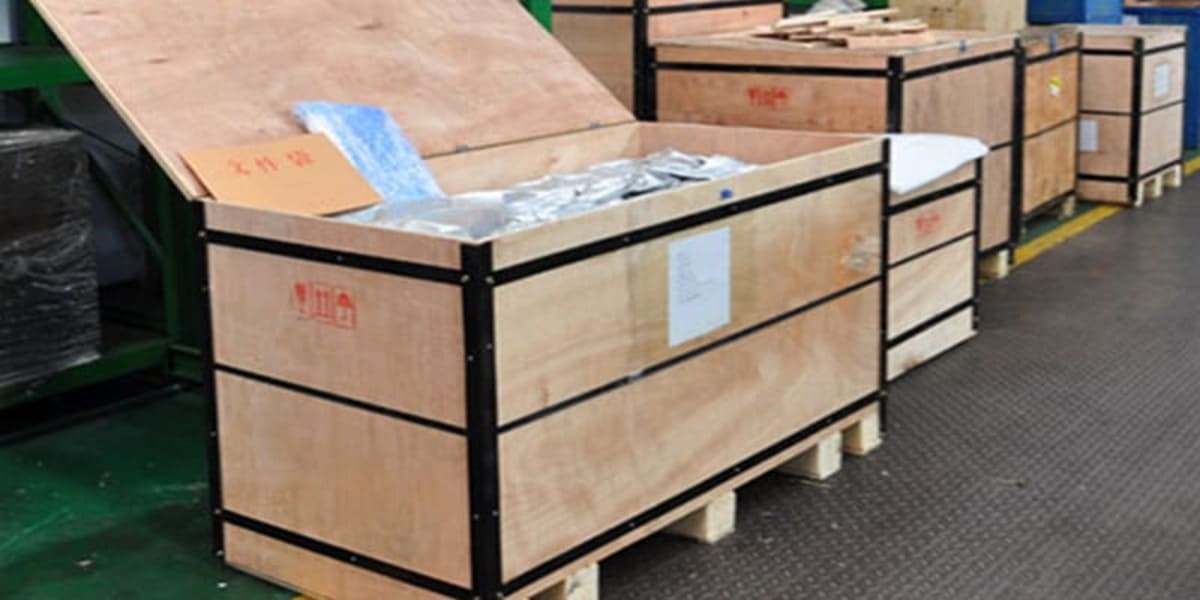
Logistics follows international transportation standards, and packaging is packed in reinforced wooden boxes, filled with PE foam and wrapped in moisture-proof bags.
Marketing: Selina Chan
WhatsApp:+8618969686504
Email:selina@jy-mould.com
Contact us to discuss how we can support your project needs
Please know that when you choose Jinyi Mold, we are not only a supplier, but also a Chinese manufacturing partner with 25 years of experience in mold design, manufacturing, and assembly.
We specialize in providing high-precision mold manufacturing and injection molding solutions for industries including automotive, home appliances, consumer electronics, medical devices, and industrial equipment.
Quality is controlled through a comprehensive system, including mold flow analysis, strict material certification, in-process inspections, and final product testing. We also provide complete documentation such as steel certificates, hardness reports, and dimensional inspection reports.
For mold making, the lead time is typically 4–6 weeks after design approval. For mass production of plastic parts, it usually takes 2–3 weeks depending on part complexity and order quantity.
Yes, our engineering team provides full support from DFM (Design for Manufacturability) analysis to mold design optimization, helping customers accelerate product development and reduce production risks.
Our standard terms are 50% deposit upon order confirmation and 50% balance payment before shipment. Flexible payment arrangements can be discussed based on project scope and cooperation level.
Absolutely. In addition to mass production, we offer low-volume manufacturing, rapid prototyping via 3D printing and silicone molding, ensuring customers can quickly validate designs before full-scale production.
We accept a wide range of file formats including STEP, IGES, DWG, and PDF for mold design, DFM analysis, and quotation preparation.
Yes, we provide mold maintenance instructions with each shipment. If any issues occur, our technical team offers remote support or on-site service depending on the situation.
Yes, we have extensive experience in multi-cavity, family molds, and complex molds that require interchangeable inserts, ensuring cost-effective and efficient production for customers.
We are familiar with a wide range of thermoplastics including ABS, PC, PA, POM, PP, TPE, TPU, and high-performance engineering plastics based on customer requirements.
Yes. We are experienced in manufacturing molds compliant with international standards such as HASCO, DME, and MISUMI, ensuring smooth integration with overseas production lines.
We take IP protection seriously. We are willing to sign NDAs (Non-Disclosure Agreements) and have strict internal controls to ensure all customer designs and projects remain confidential.