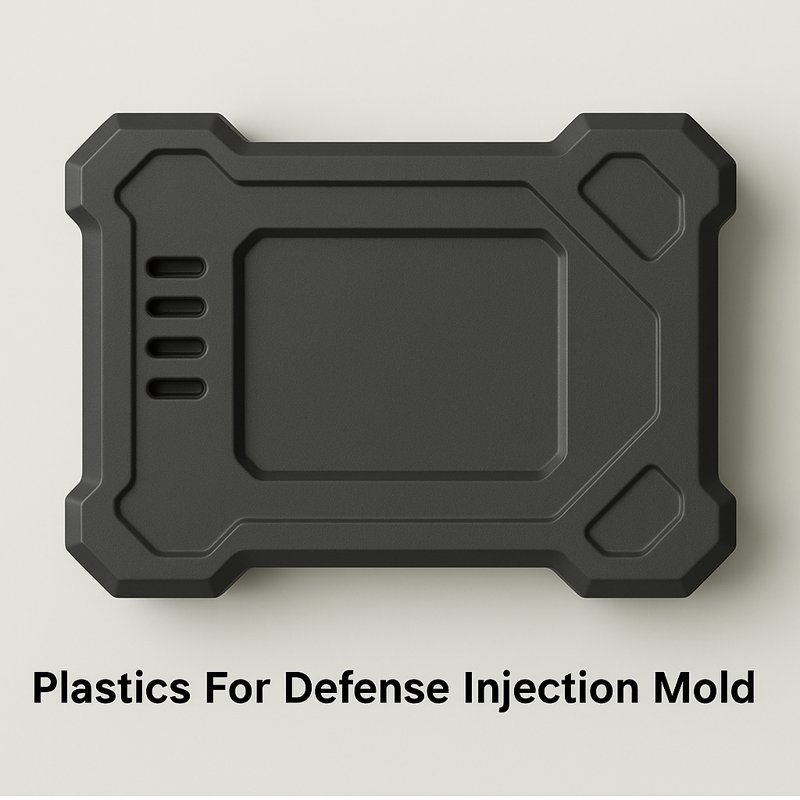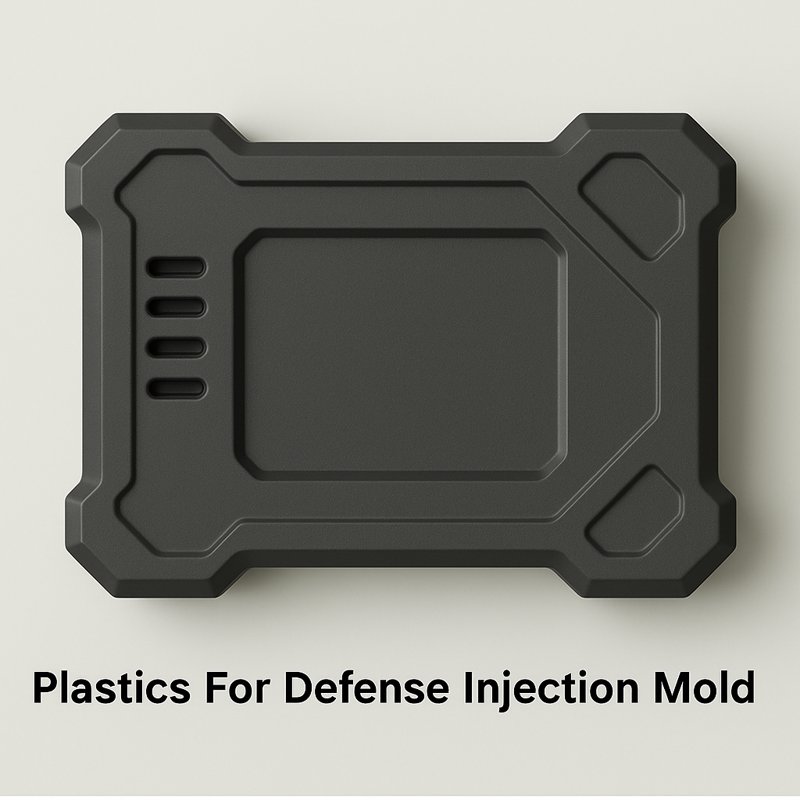
We offer special solutions in engineering plastic injection molding that achieve the military standards of environmental adaptability, namely, MIL-STD-810G, for the shells of tactical equipment, carrying components, and field medical sets of the individual soldier. The key to these components is that, according to the demands of being lightweight and having high strength, they must also be able to provide integrity in functionality in high and low temperatures, humidity and heat, sand and dust, and mechanical shock conditions over the long term. We will bring over to the production of defense components the high level of ultra-cleanliness in production control, the microgram level of precipitate control, and the submillimeter level of molding technology that our company has accumulated in its role as an expert in the manufacturing of test tubes.
We were exposed to Plastic medical test tube molds for preserving sensitive chemicals, or military casings for protecting sensitive electronic devices. The logic behind such products is to guarantee complete safety for the internal materials under tough surroundings. Thus, “our engineering capabilities start with materials-structure-process co-design.” We can choose engineering plastics with certain characteristics, like “high-temperature resistant PEEK,” “high rigidity PA66-GF50,” or “low dielectric constant LCP,” and carry out mold flow simulation, structural analysis, and thermodynamic analysis to thoroughly validate the design before investing in molds to prevent possible failure in a combat zone.
Materials and molding techniques
The defense-related parts may also be subjected to various stresses. In this case, we integrate carefully the micro-venting and shear heat control of test tube plastic injection molds to prevent large thin-walled military shells from burning or under-filling when filling. In addition, to shield electronic modules, we employ metal fibers inserted into plastics and/or conductive surface layers. In all manufacturing, clean workshops with defined environmental factors determined from requirements for test tube plastic molds are used to avoid damaging the parts.
Mold Technology
The design of our mold is based on precision, longer durability, and ease of maintenance.
Multi-cavity mold
The experience with designing 64-cavity, or even 128-cavity, ultra-high-efficiency molds, generated using the test tube mold, can be directly applied to the production of military standard parts to achieve extremely high consistency for the production lots.
Special surface treatment and steel
The mold material is high-quality steel that is wear-resistant and corrosion-resistant (for example, S136, H13 steel), and the mold cavity surface receives hard chrome plating treatment or PVD coating, which can resist wear from glass fiber reinforced materials, and the mold life can be over one million times.
Functional Design
The mold can combine the hot runner system, the sequential valve control system (SVG), and the conformal cooling channels to eliminate welding lines, warpage, and reduce the molding cycles.
Quality Assurance
In our company, we apply the standards that include both military specifications for reliability as well as cleanliness for medical devices.
Environmental Suitability Verification:
Other environmental factors the components must resist include temperature shock from -55°C to 85°C, compound vibration, salt spray corrosion, and both sand and dust resistance.
Mechanical & functional testing:
Perform drop weight impact tests, three-axis vibration fatigue tests, and creep tests on parts requiring seals. Also, do helium mass spectrometry leak tests.
Compatibility of Materials and Chemicals:
Supply performance datasheets for items including flame-resistant materials (UL94 V-0 rating), thermal conductivity, dielectric constant, and more.
Perform chemical resistance tests on components that could potentially expose the plastic to oil and cleansers. test tube plastic injection mold Delivery and Service JinYi Mold can completely handle tasks such as conceptual design, material selection, mold design, product production through injection molds, and spraying, printing, and assembly.Based on our effective quick mold change-over process and statistical process control (SPC) in plastic products like Medical test tubes molds, we can ensure efficient support in all processes, beginning with verification and extending to stable production.
If your project is related to high-reliability military plastic components or involves laboratory-level precision and cleanliness conditions that need to be applied to special environment equipment, we can help with solutions in the areas of feasibility studies, research, and large-scale production. Please share your performance indicators and conditions, and our engineers will perform a detailed evaluation.
About Us
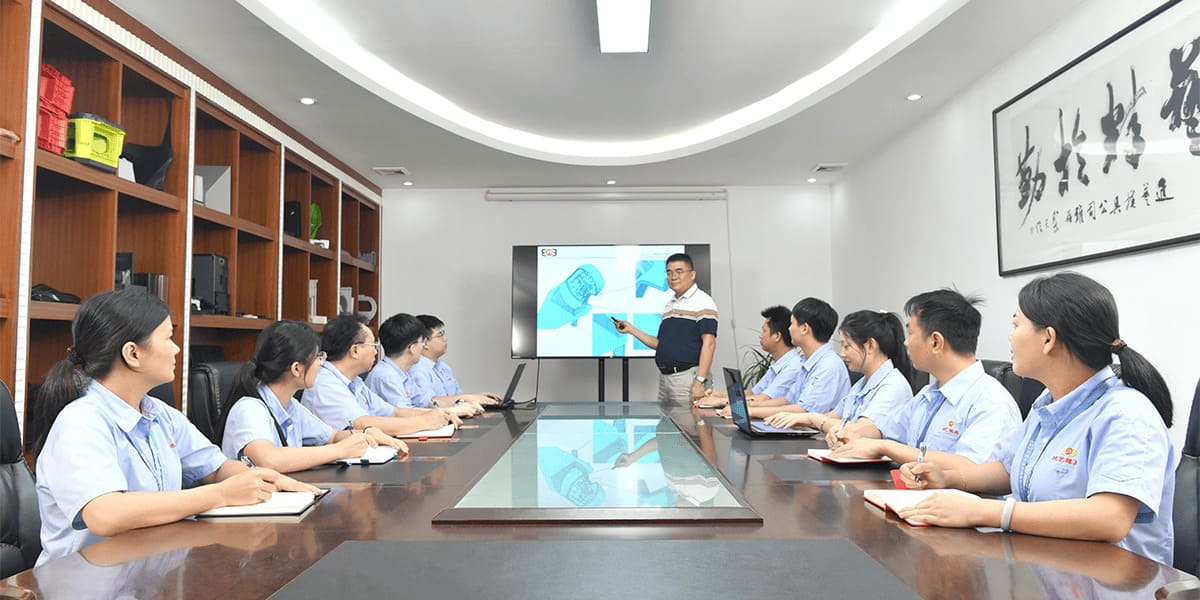
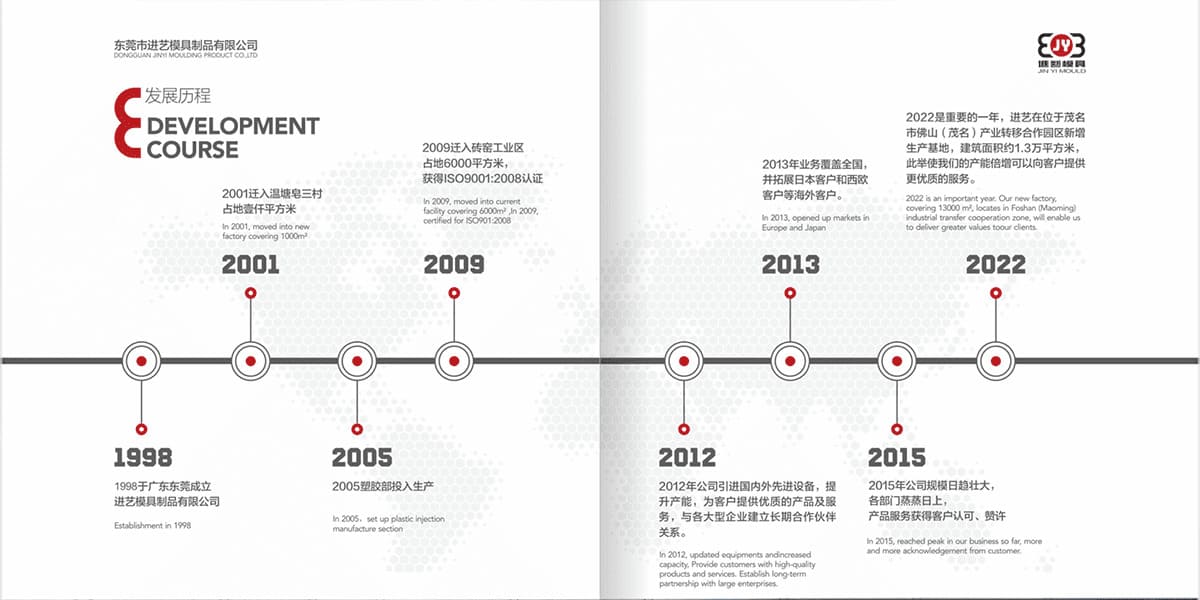
Jinyi Mold was established in 1998 and is headquartered in Dongguan, Guangdong. Our professional team provides injection mold and die-casting mold services, providing you support in every aspect from design, manufacturing to final assembly.
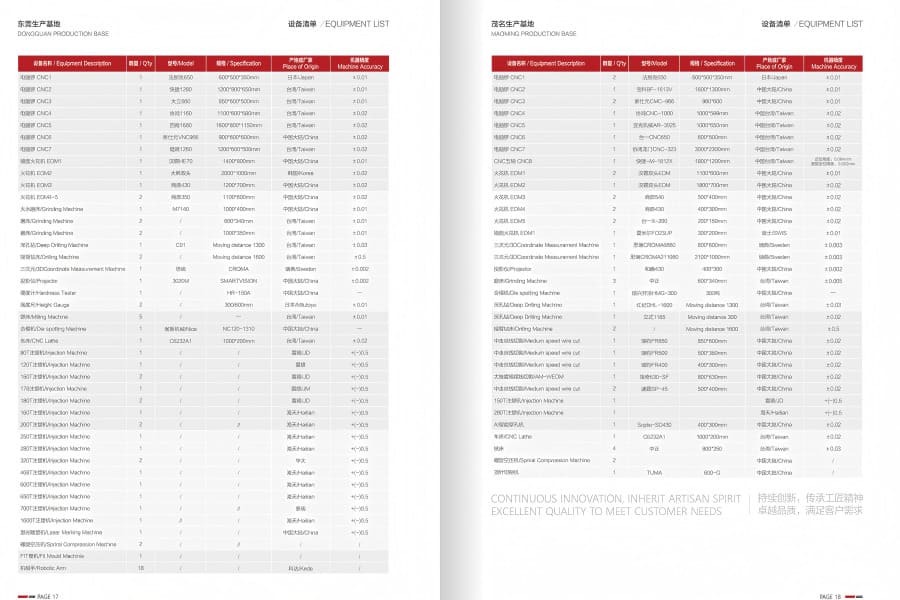
Production equipment:
dozens of CNC machining centers (gantry & 5-axis), injection molding machines (80-1600 tons), EDM machines, automation equipment, etc.
Scope of services:
Establish solid partnerships with Europe, Australia and Asia to carry out international export business.
Company production capacity: A 13,000㎡ production base in Maoming (built in 2022), backing an annual turnover surpassing 150 million RMB.
Honors and qualifications:
Possess High-Tech Enterprise Certification, ISO9001:2015 Quality management system certification.
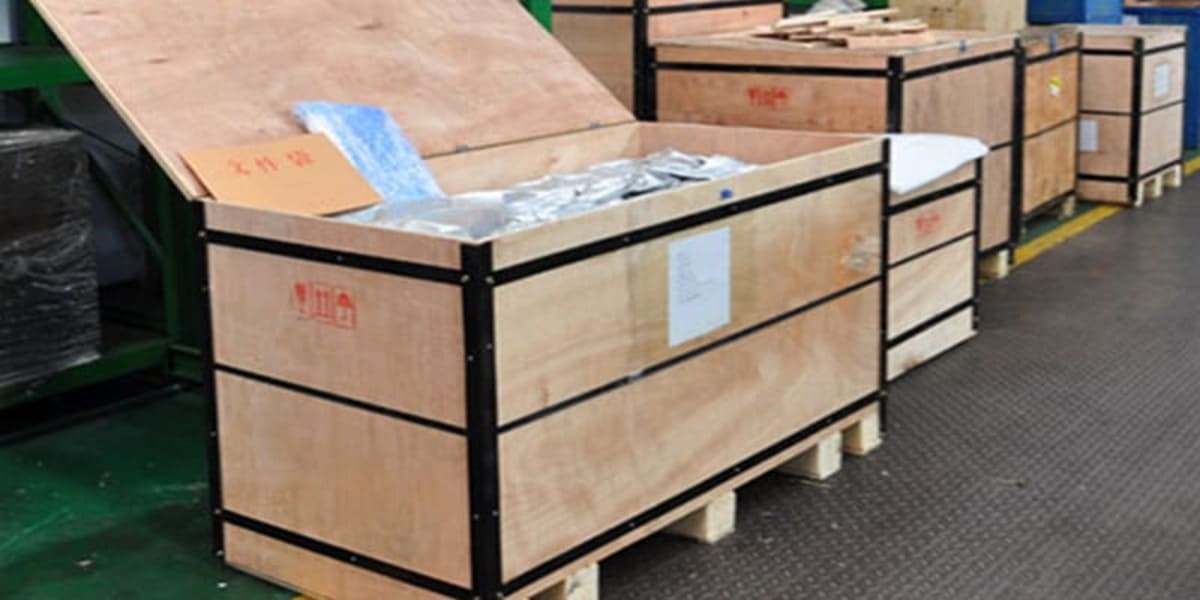
Logistics and freight:
Logistics follows international transportation standards, and packaging is packed in reinforced wooden boxes, filled with PE foam and wrapped in moisture-proof bags.
Marketing: Selina Chan
WhatsApp:+8618969686504
Email:selina@jy-mould.com
Contact us to discuss how we can support your project needs
Please know that when you choose Jinyi Mold, we are not only a supplier, but also a Chinese manufacturing partner with 25 years of experience in mold design, manufacturing, and assembly.