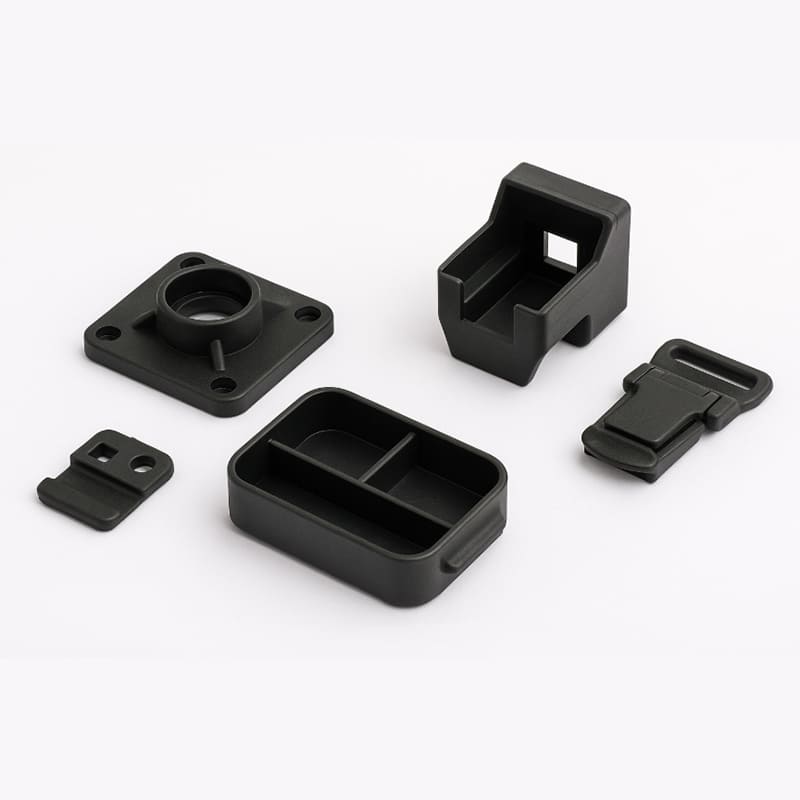
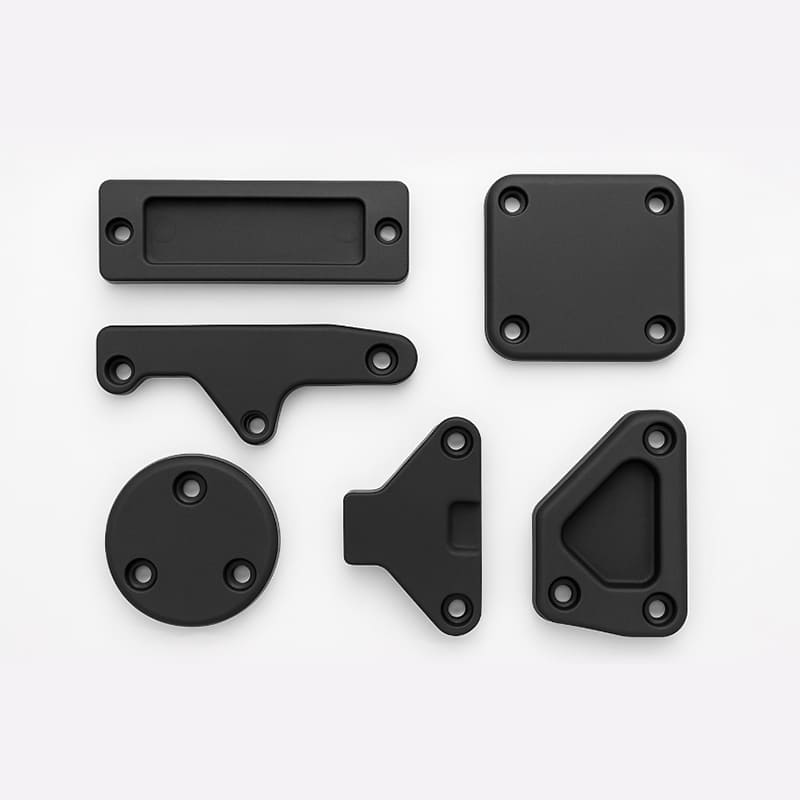
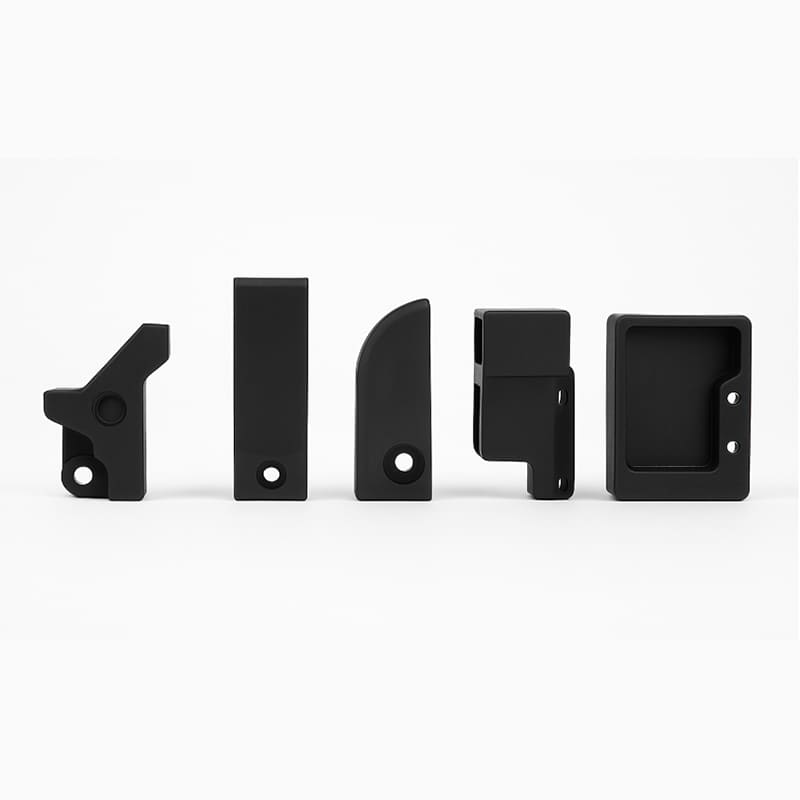
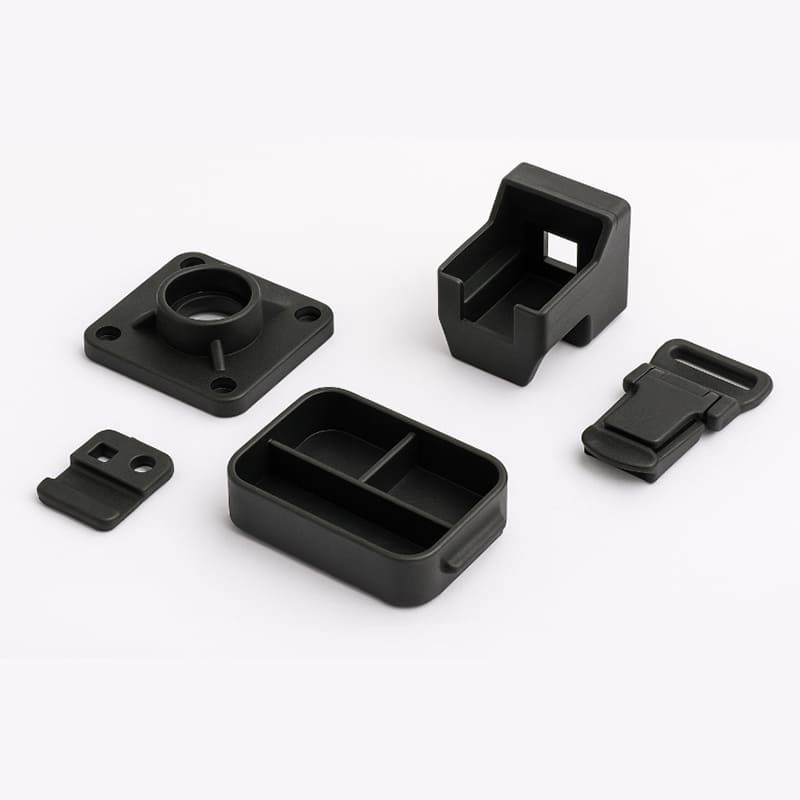
Military plastic components are driving a transformation towards lighter, stronger, smarter, and more stealthy designs, which is crucial in the development of modern military equipment. This driving force refers to making military equipment lighter to improve its mobility and flexibility, enhancing its performance in complex and harsh environments, possessing intelligence to better adapt to the needs of modern warfare, and achieving stealth to improve battlefield survivability.
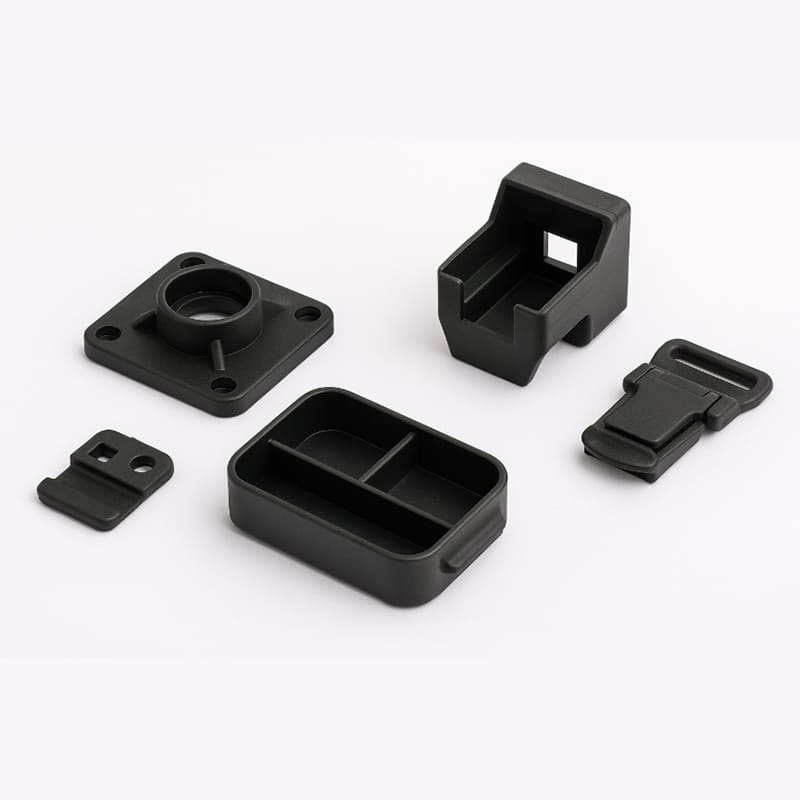
This product line is designed for communication equipment and protection modules for active military vehicles, individual soldier systems, and historical vehicles, providing plastic components that meet the requirements of portability and durability in military environments. These technical plastic components must resist a multitude of harsh environment factors, including severe temperature variations during military operations, impact resistance during transport and storage, UV degradation, and chemical corrosion. Our products include the whole spectrum from materials science and mold manufacturing to verification testing and evaluation for the design and intention to offer a dependable structural and functional assistance design for military tactical survival kits and military troop supplies and military tactical products and also include precision-matched components for the restoration of historic military vehicles at the National Military Vehicle Museum.
JinYi Molds is handling Military Project orders with IATF 16949 quality control processes suitable for automotive industry standards and also has integrated Military Standard 3D Printing to handle prototyping and validation. In fact, to restore molds for plastic interior elements for the classic "Ferret" military vehicle, for instance, first a validation mold is produced using 3D scanning and printing until validated, with final development for a mass production mold to be able to restore with precision and speed possible. Troop Supplies and Tactical Gear
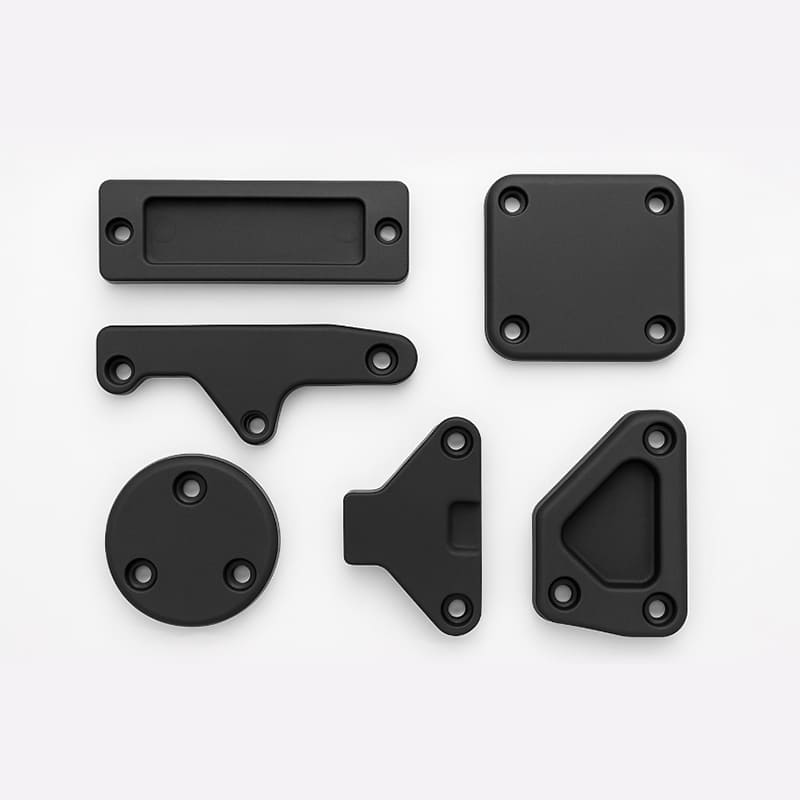
Materials Engineering:
Glass fiber reinforced nylon, PC-ABS polycarbonate alloy, or polyetherimide, depending on the component's intended load and conditions, will be chosen. With PA66-GF30, it has been found that the tensile strength exceeds 150 MPa, has an elevated heat distortion temperature of over 200°C, and successfully passes the governed damp heat and mildew resistance test in accordance with the MIL-STD-810G specification, satisfying field storage criteria.
Mold Technology:
The mold core is made of S136 or quenched H13 mold steel, with the moving parts nitrided. The gating and cooling design is also improved using the mold flow analysis software Moldex3D. The result is the difference in the weights of the parts under production variations limited to ±0.5%, which is essential for the use of the components in military supplies.
Production Capabilities:
We rely on the use of 3D printing technology to produce prototypes for functional testing before large-scale production molds. Nylon prototypes created through Selective Laser Sintering technologies can survive certain tests, thus shortening the testing process for design corrections. This technology can be effectively applied in the reproduction of non-load-bearing parts for rare exhibits at the National Military Vehicle Museum.
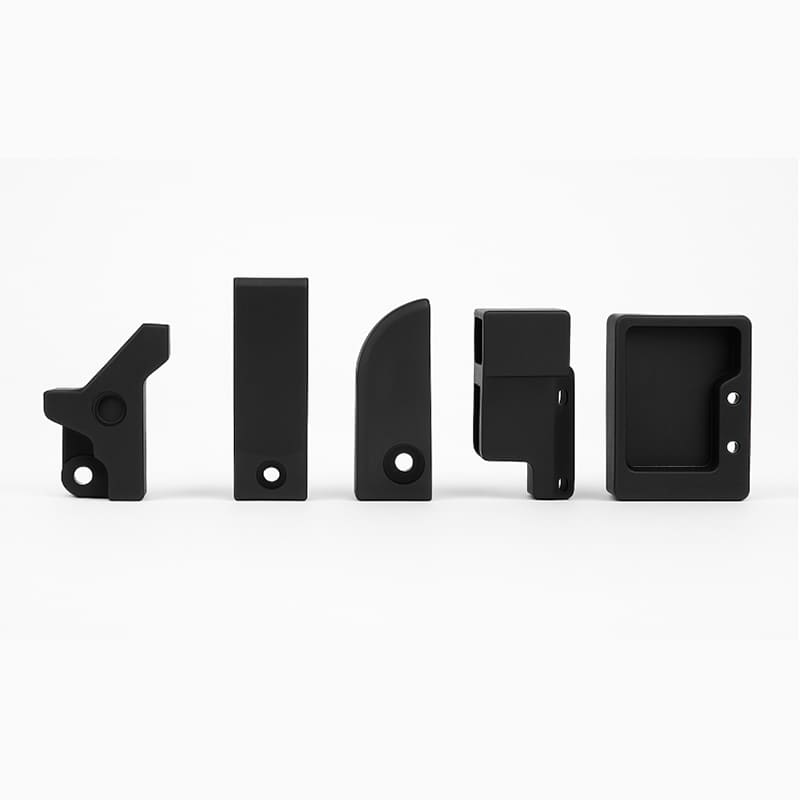
Validation and Quality Assurance
In addition, we have built a comprehensive validation process involving materials, components, and assemblies.
Compliance Testing:
The Upon receipt of all the raw materials used in engineering plastics, we examine the UL Yellow Cards and MSDS (Material Safety Data Sheets) of each raw material, and perform spectral analysis of the samples purchased. For tactical survival gear used by the military, we further test the UL94 flame retardancy and antistatic properties.
Performance Validation:
Components produced on a large scale are measured by coordinate measuring machines as per AQL standards for measurement. Tests for mechanical properties like tensile strength, impact strength, and Rockwell hardness are carried out periodically. Environmental tests for reliability comprise -40°C to 85°C temperature cycles, a 96-hour ASTM B117 salt spray test, and a UV aging test for 500 hours.
Assembly Testing:
For components packed in ferret military vehicle components or otherwise, compatibility and functional integration tests are carried out to ensure that the components function well together and do not interfere with metal or electronic components.
JinYi Moulds is able to adapt to the needs of different scales and urgency levels, using military-standard 3D printing technology to help with the production of one-off or low-volume prototypes and spare parts. We are able to engage in medium-scale production for military supplies, and large-scale production for large equipment.
If you are seeking a trustworthy plastic parts supplier for existing equipment upgrade, weight reduction for individual soldier systems, or precise restoration of historic equipment, please do not hesitate to contact us. In order to tailor a cost-effective manufacturing solution to meet your needs, we would appreciate learning of your application environment, performance needs, and cost requirements.
About Us
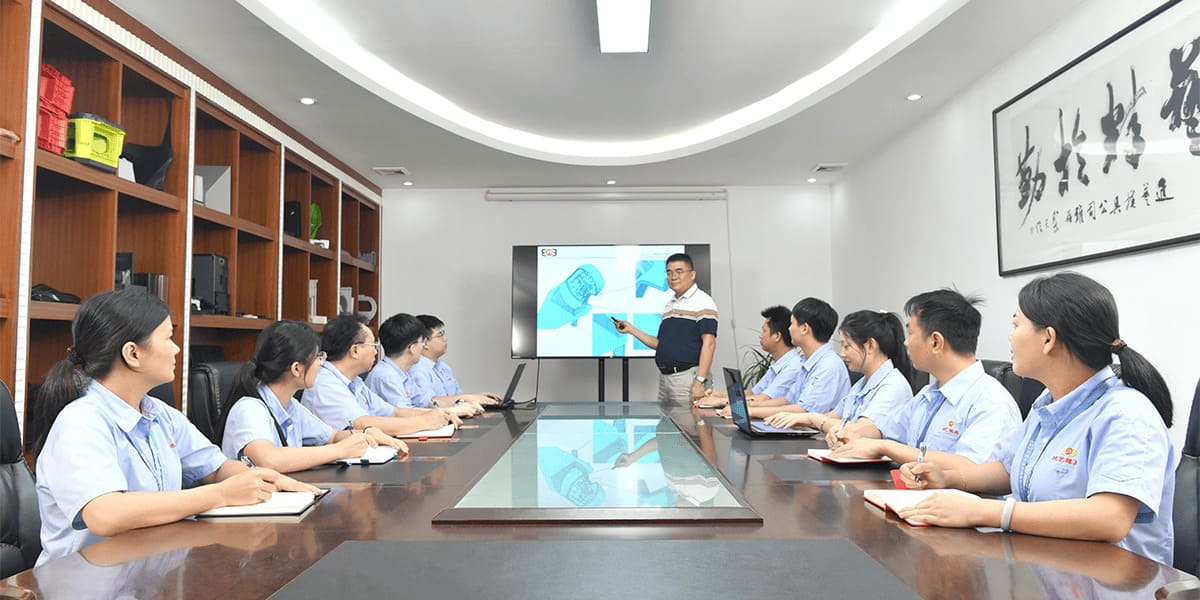
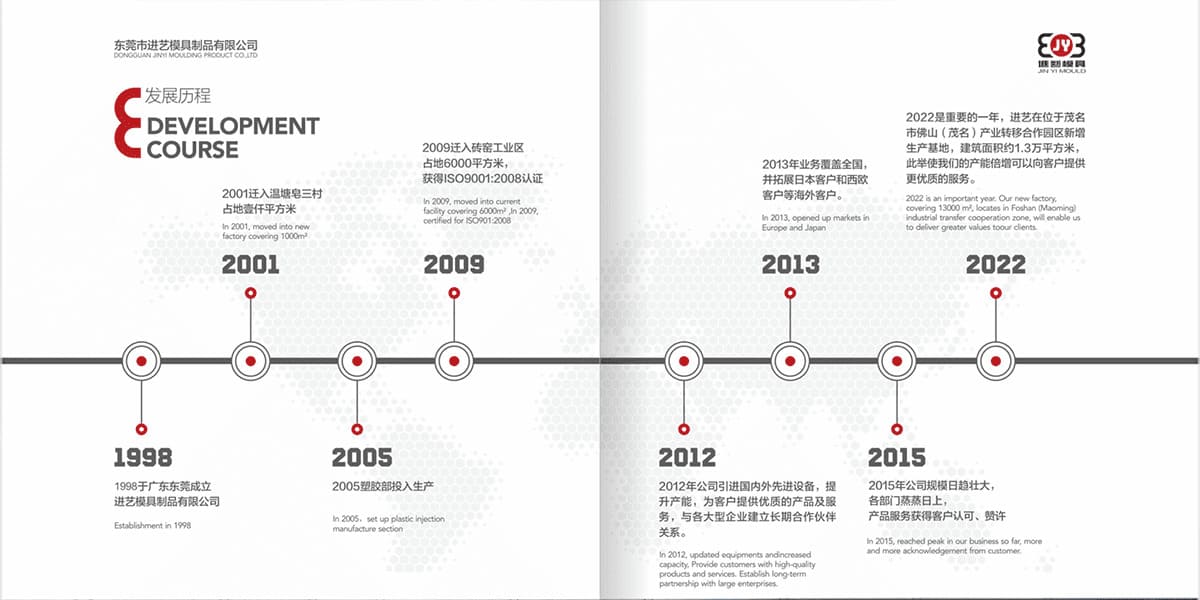
Jinyi Mold was established in 1998 and is headquartered in Dongguan, Guangdong. Our professional team provides injection mold and die-casting mold services, providing you support in every aspect from design, manufacturing to final assembly.
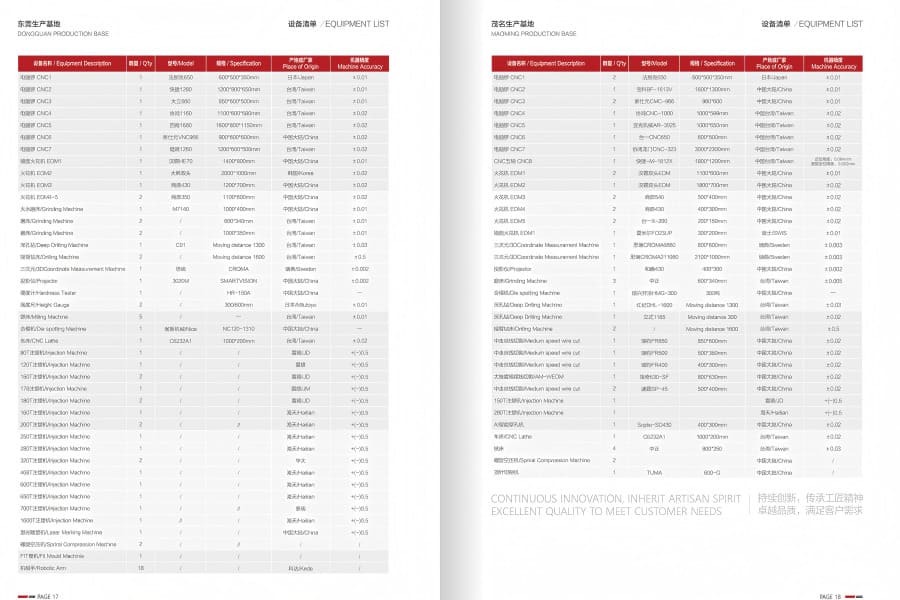
Production equipment:
dozens of CNC machining centers (gantry & 5-axis), injection molding machines (80-1600 tons), EDM machines, automation equipment, etc.
Scope of services:
Establish solid partnerships with Europe, Australia and Asia to carry out international export business.
Company production capacity: A 13,000㎡ production base in Maoming (built in 2022), backing an annual turnover surpassing 150 million RMB.
Honors and qualifications:
Possess High-Tech Enterprise Certification, ISO9001:2015 Quality management system certification.
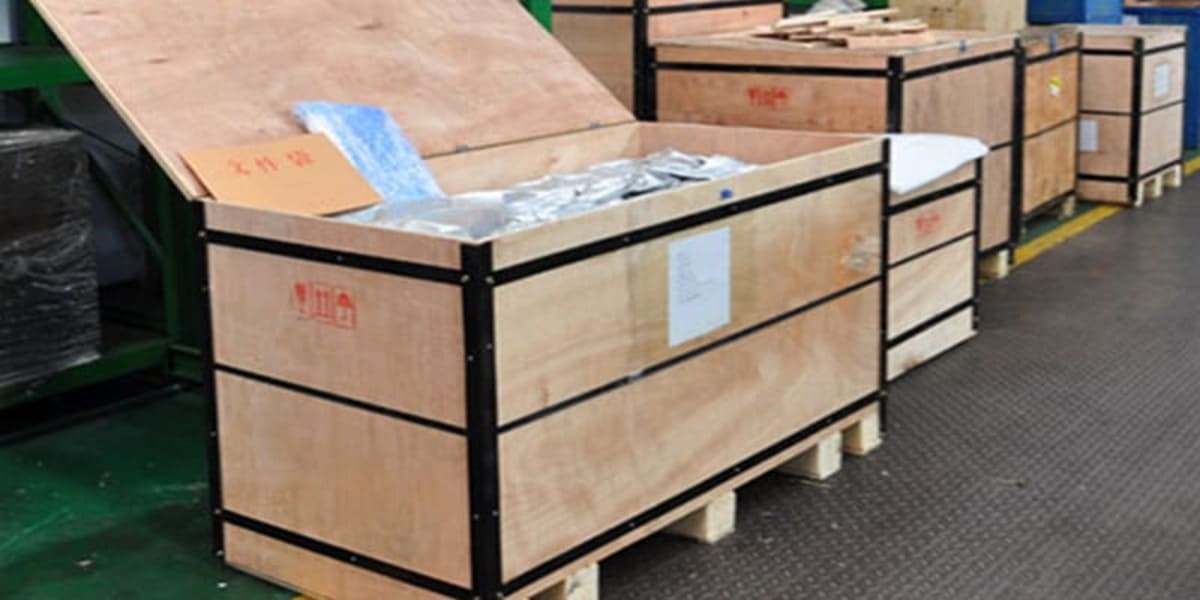
Logistics and freight:
Logistics follows international transportation standards, and packaging is packed in reinforced wooden boxes, filled with PE foam and wrapped in moisture-proof bags.
Marketing: Selina Chan
WhatsApp:+8618969686504
Email:selina@jy-mould.com
Contact us to discuss how we can support your project needs
Please know that when you choose Jinyi Mold, we are not only a supplier, but also a Chinese manufacturing partner with 25 years of experience in mold design, manufacturing, and assembly.