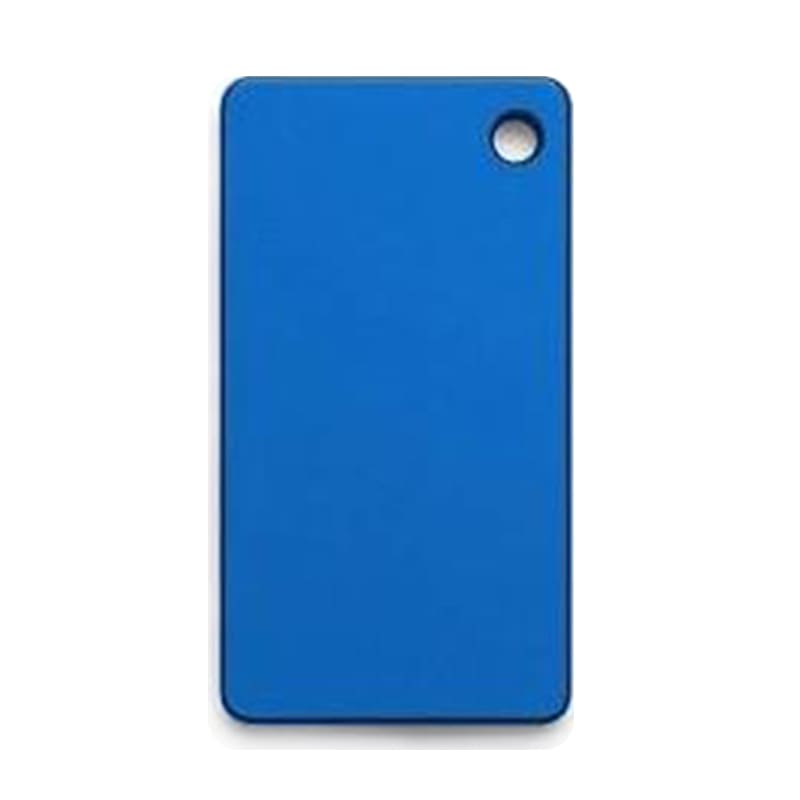
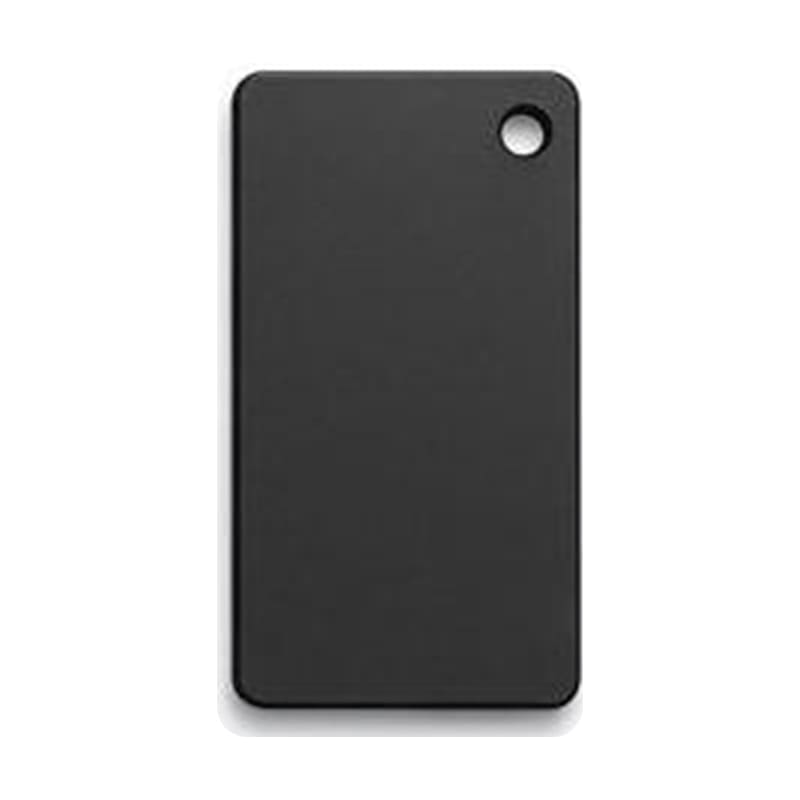
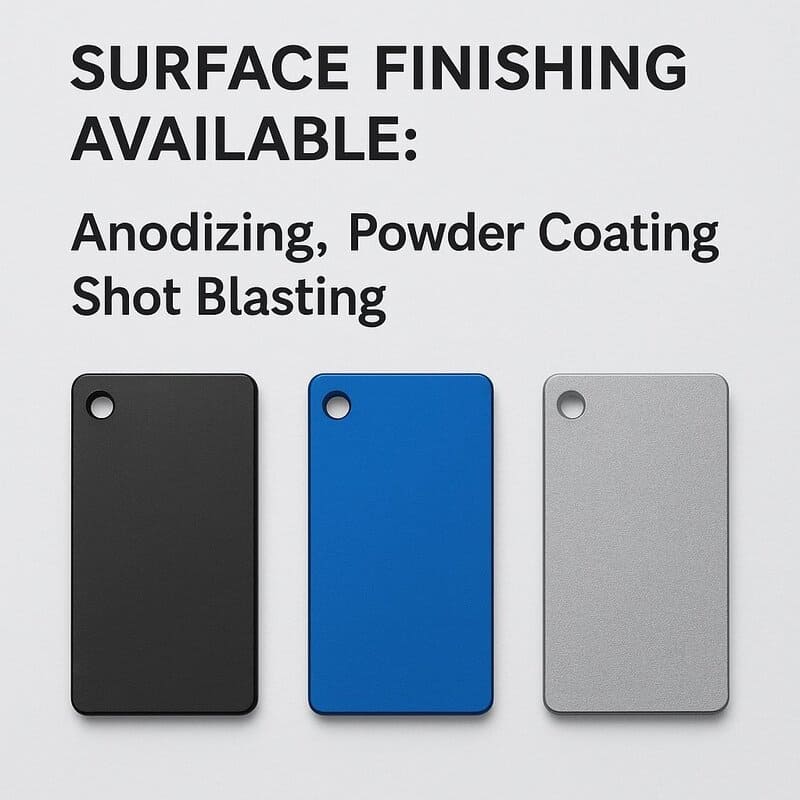
This service provides professional surface treatment solutions that are deeply integrated with the die-casting process, covering anodizing, powder coating and shot blasting. We focus on improving the corrosion resistance, wear resistance, electromagnetic shielding (EMI) performance and aesthetic consistency of aluminum die-casting parts in specific application environments through scientific surface engineering, rather than just performing decorative treatments.
Our process starts with our proven industrial aluminum alloy die casting manufacture capabilities. After strictly controlling the die-casting parameters to ensure the quality of the matrix, the parts enter the matching surface treatment production line according to the mechanical, chemical and appearance requirements of their application fields. For example, for aluminum die cast enclosures for electronics that require excellent heat dissipation and electromagnetic compatibility, and die casting for lighting housings that require resistance to outdoor ultraviolet rays and chemical corrosion, the technical paths for surface treatment are completely different.
Not the final process, but the key pre-processing. Sandblasted aluminum die cast parts are bombarded at a pressure of 0.4-0.6 MPa using alumina or glass bead media of a specific particle size (e.g. 80-120 mesh).
To remove the release agent residue and oxide scale, obtain a uniform Sa 2.5 level cleanliness surface, and form a micro-roughness of Ra 3.2-6.3 μm. This provides the best adhesion base for subsequent coats (up to 50% better) while creating an even matte or fine-grained texture.
Mainly using sulfuric acid anodization to generate a 5-25 μm thick dense aluminum oxide film in an electrolyte at 15-20°C and 12-18 V. Natural, black or military green electrolytic coloring or organic dye coloring can be carried out upon request.
The hardness of this conversion coating can reach HV 300-500, which significantly improves surface wear resistance. Its porous structure can be sealed to form an insulating layer, and its corrosion resistance can be greatly improved through subsequent sealing treatments (hot water or nickel salt), passing >500 hours neutral salt spray test. This is a common choice for functional protection of aluminum die cast enclosures for electronics.
Spray epoxy, polyester or fluorocarbon powder evenly on the workpiece through electrostatic adsorption, and cure at 180-200°C for 10-15 minutes to form a continuous coating of 60-120 μm.
The coating offers excellent impact resistance (>50 kg·cm) and resistance to chemical solvents. For durable aluminum die casting for machinery and some die casting for lighting housings exposed to oil, moisture or outdoor weather, powder coating is the preferred option to provide long-term protection.
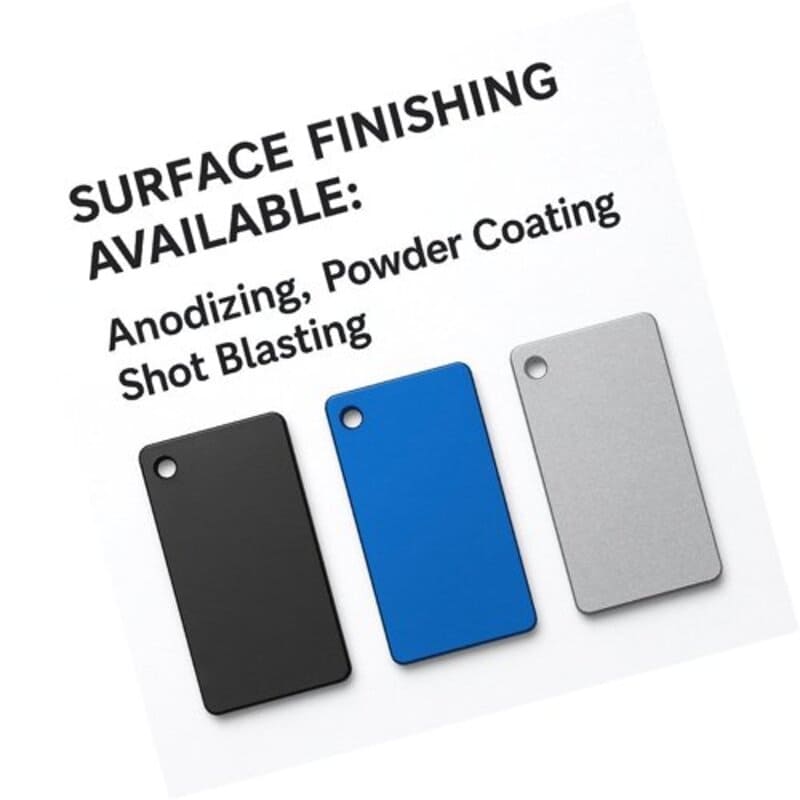
The quality of the surface treatment is verified through quantifiable testing to ensure it meets industry standards.
Routine testing includes coating thickness measurement (eddy current thickness gauge), adhesion cross-hatch test (ASTM D3359, reaching level 0), and hardness test (pencil hardness).
According to customer requirements, accelerated aging tests such as salt spray test (ASTM B117), ultraviolet aging test (QUV), and heat and humidity cycle resistance can be performed, and data reports can be provided.
Use a colorimeter (ΔE) to monitor the color consistency between batches. The ΔE value is usually controlled within 1.5 to ensure visual uniformity of products with high appearance requirements such as die casting for housing lightings.
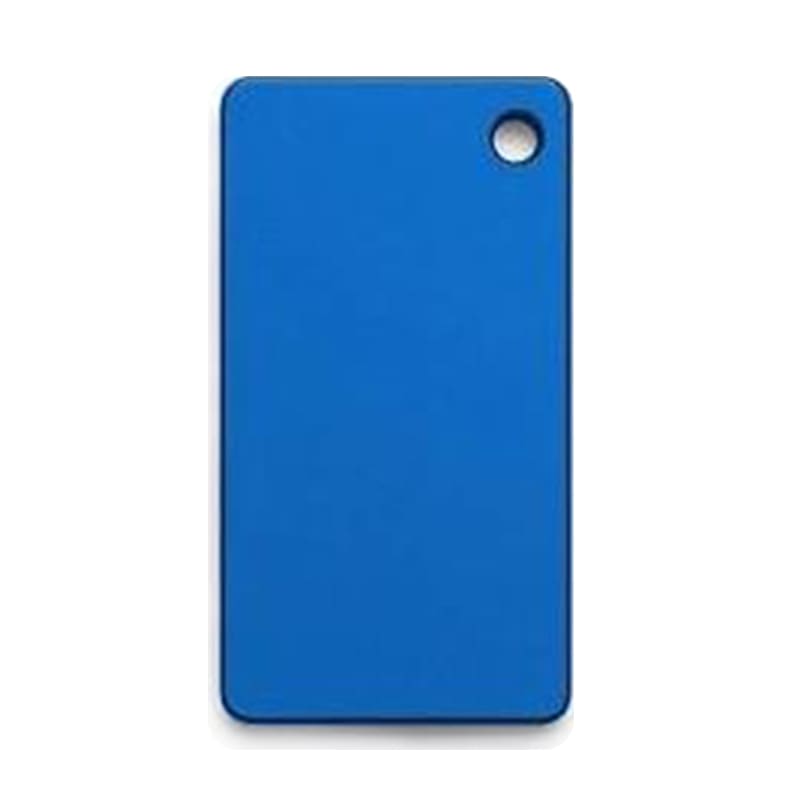
Our surface treatment services work seamlessly with die casting production, supporting everything from small batch processing of prototypes to large-scale production. We can provide comprehensive suggestions from base material selection, die-casting process to surface treatment type and thickness based on the end-use environment of your aluminum die cast enclosures for electronics or durable aluminum die casting for machinery (such as indoor, automotive, industrial outdoor, coastal high salt spray).
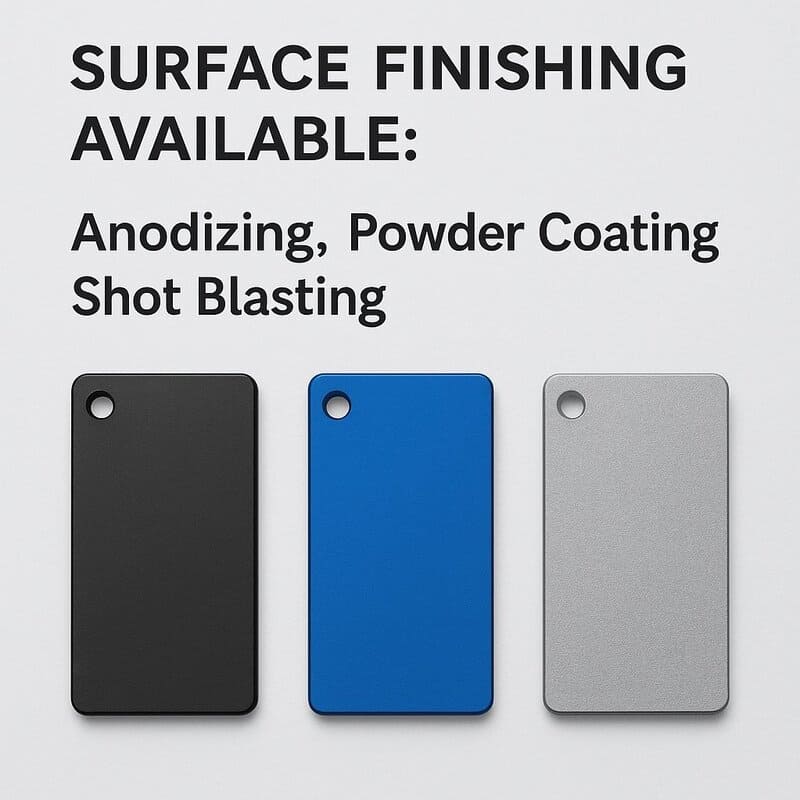
When you need a professional surface treatment that delivers long-term protection and stable appearance for your die-cast parts, we offer engineering-proven Surface Finishing Available: Anodizing, Powder Coating, Shot Blasting solutions. Please provide component drawings and application environment descriptions, and we will recommend the optimal treatment combination.
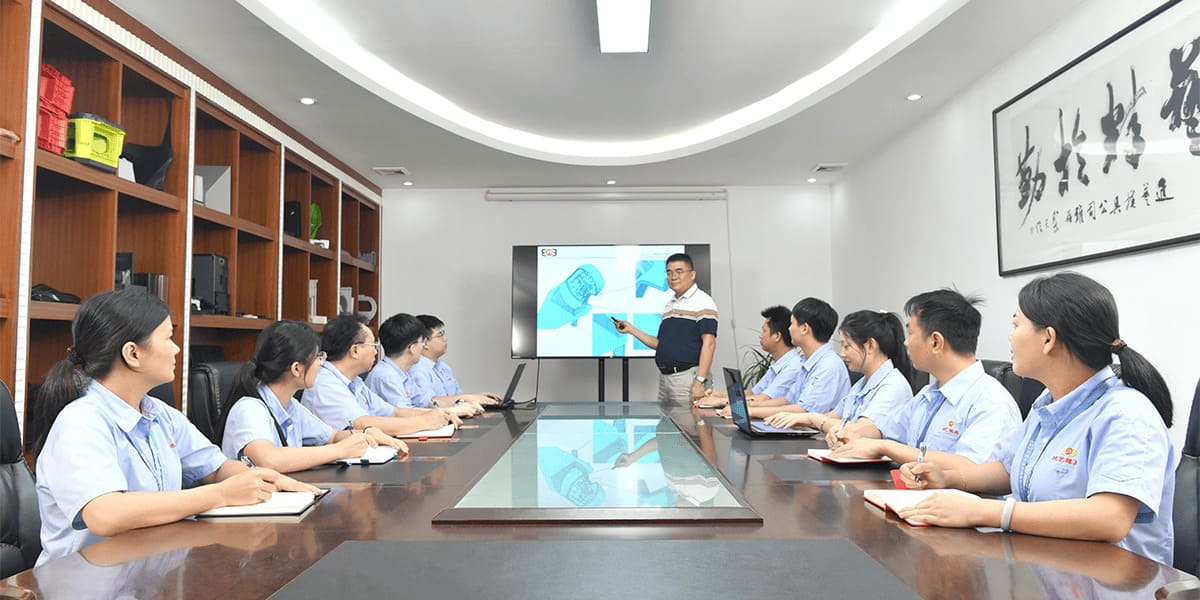
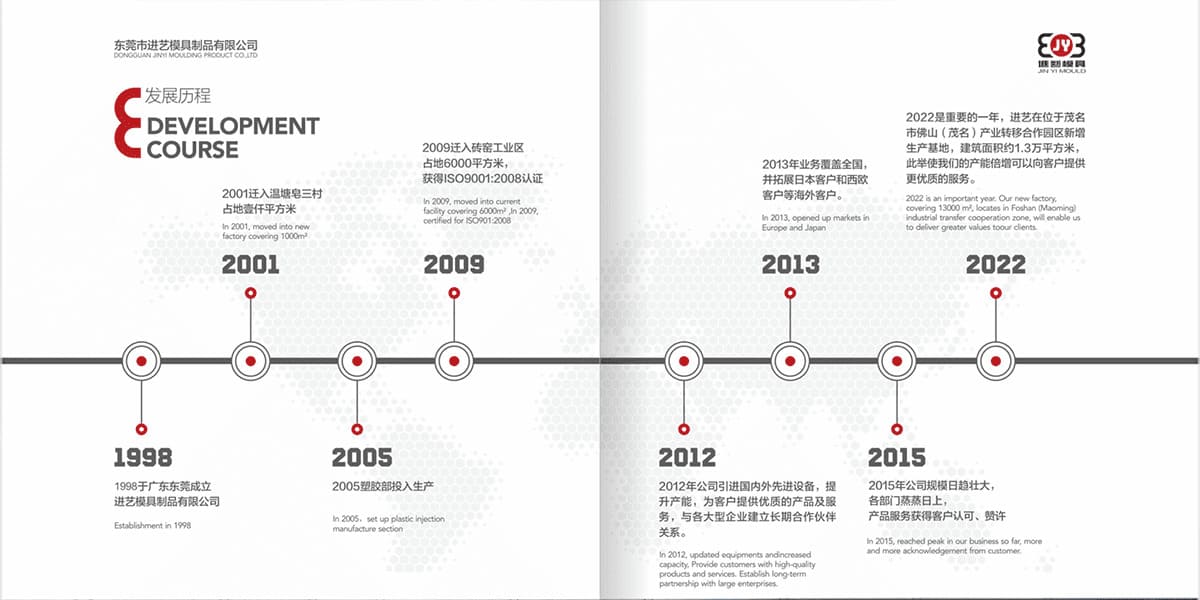
Jinyi Mold was established in 1998 and is headquartered in Dongguan, Guangdong. Our professional team provides injection mold and die-casting mold services, providing you support in every aspect from design, manufacturing to final assembly.
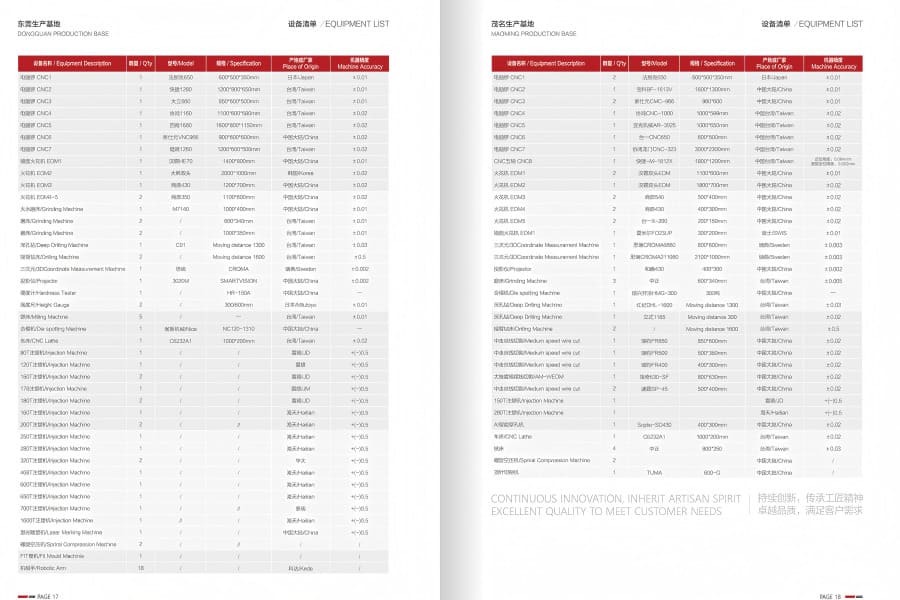
dozens of CNC machining centers (gantry & 5-axis), injection molding machines (80-1600 tons), EDM machines, automation equipment, etc.
Establish solid partnerships with Europe, Australia and Asia to carry out international export business.
Company production capacity: A 13,000㎡ production base in Maoming (built in 2022), backing an annual turnover surpassing 150 million RMB.
Possess High-Tech Enterprise Certification, ISO9001:2015 Quality management system certification.
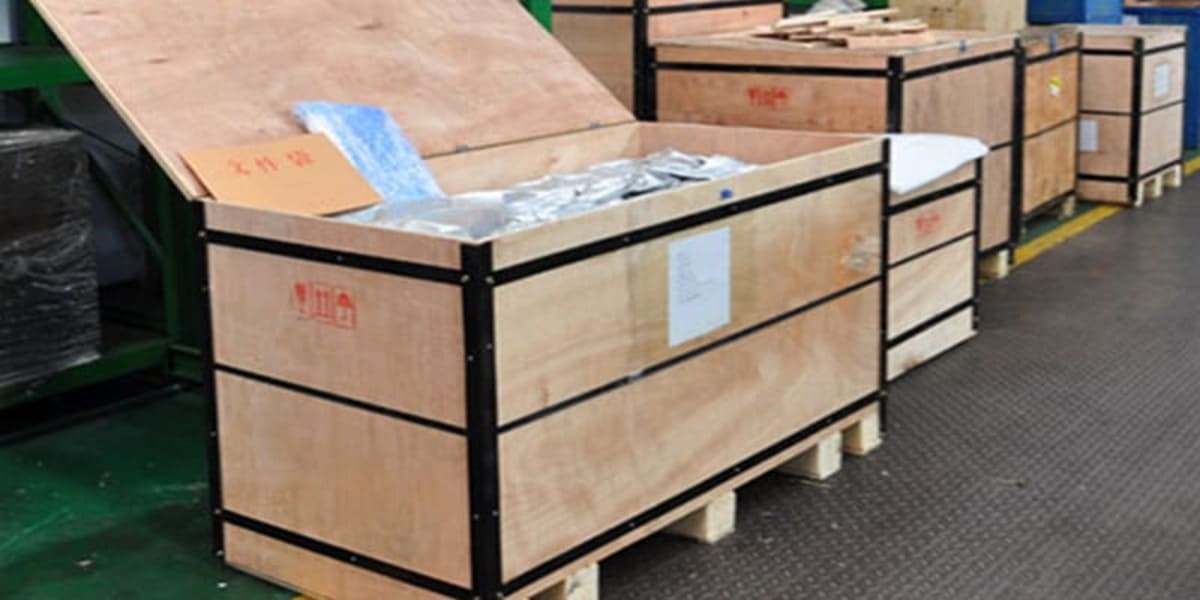
Logistics follows international transportation standards, and packaging is packed in reinforced wooden boxes, filled with PE foam and wrapped in moisture-proof bags.
Marketing: Selina Chan
WhatsApp:+8618969686504
Email:selina@jy-mould.com
Contact us to discuss how we can support your project needs
Please know that when you choose Jinyi Mold, we are not only a supplier, but also a Chinese manufacturing partner with 25 years of experience in mold design, manufacturing, and assembly.
We specialize in providing high-precision mold manufacturing and injection molding solutions for industries including automotive, home appliances, consumer electronics, medical devices, and industrial equipment.
Quality is controlled through a comprehensive system, including mold flow analysis, strict material certification, in-process inspections, and final product testing. We also provide complete documentation such as steel certificates, hardness reports, and dimensional inspection reports.
For mold making, the lead time is typically 4–6 weeks after design approval. For mass production of plastic parts, it usually takes 2–3 weeks depending on part complexity and order quantity.
Yes, our engineering team provides full support from DFM (Design for Manufacturability) analysis to mold design optimization, helping customers accelerate product development and reduce production risks.
Our standard terms are 50% deposit upon order confirmation and 50% balance payment before shipment. Flexible payment arrangements can be discussed based on project scope and cooperation level.
Absolutely. In addition to mass production, we offer low-volume manufacturing, rapid prototyping via 3D printing and silicone molding, ensuring customers can quickly validate designs before full-scale production.
We accept a wide range of file formats including STEP, IGES, DWG, and PDF for mold design, DFM analysis, and quotation preparation.
Yes, we provide mold maintenance instructions with each shipment. If any issues occur, our technical team offers remote support or on-site service depending on the situation.
Yes, we have extensive experience in multi-cavity, family molds, and complex molds that require interchangeable inserts, ensuring cost-effective and efficient production for customers.
We are familiar with a wide range of thermoplastics including ABS, PC, PA, POM, PP, TPE, TPU, and high-performance engineering plastics based on customer requirements.
Yes. We are experienced in manufacturing molds compliant with international standards such as HASCO, DME, and MISUMI, ensuring smooth integration with overseas production lines.
We take IP protection seriously. We are willing to sign NDAs (Non-Disclosure Agreements) and have strict internal controls to ensure all customer designs and projects remain confidential.