
Injection molding is one of the most efficient and widely used methods for mass production, particularly for plastic parts. However, ensuring stability and consistency throughout the production process is key to achieving high-quality, cost-effective products. This article explores the crucial considerations in injection mold design that directly affect production stability, including mold geometry, material selection, cooling system design, and ejection systems.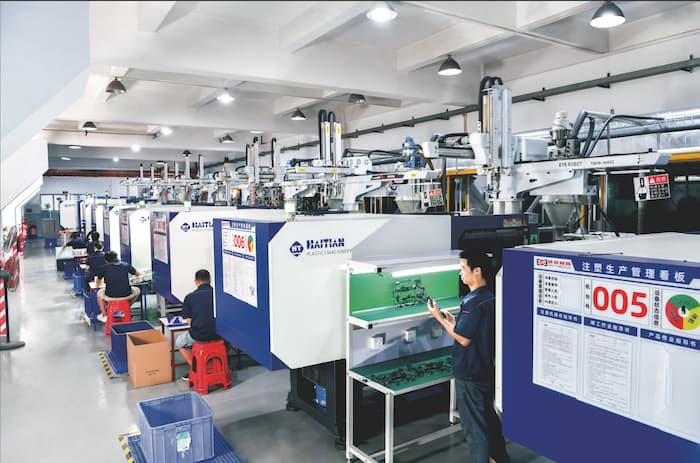
1. Mold Geometry and Part Design
The foundation of a successful injection molding process begins with the proper design of the mold and part geometry. This ensures that the molded parts maintain dimensional accuracy and minimize defects.
Draft Angles: A well-designed mold must have adequate draft angles to facilitate the easy release of the molded parts. This allows for smoother ejection and reduces the likelihood of part distortion or damage.
Wall Thickness: Maintaining a consistent wall thickness throughout the molded part is crucial. Variations in thickness can lead to uneven cooling and internal stresses, potentially causing warping or sink marks. Ideally, wall thickness should be uniform and optimized based on part geometry.
Ribs and Bosses: Ribs and bosses are essential features in part design, but should be carefully designed to avoid areas of excessive thickness. Uneven distribution of material in these areas can cause cooling imbalances and increase cycle times.
2. Material Selection
The choice of material for both the mold and the parts being produced plays a significant role in the overall stability of the injection molding process. Selecting materials with the appropriate properties ensures optimal performance and minimal issues during production.
Mold Materials: The material used for the mold itself must be durable and resistant to wear and tear. Commonly used materials for molds include high-grade steel alloys such as H13, which offer excellent resistance to heat and wear during the molding cycle.
Part Materials: The resin chosen for the molded parts must match the specific requirements of the product, taking into account factors such as temperature tolerance, shrinkage rate, and viscosity. Popular choices include ABS, PC, and polypropylene, depending on the part’s functional requirements.
3. Cooling System Design
The cooling system within the mold plays a pivotal role in maintaining production stability. Efficient cooling ensures that the molded parts cool uniformly, which helps to avoid warping and dimensional inconsistencies.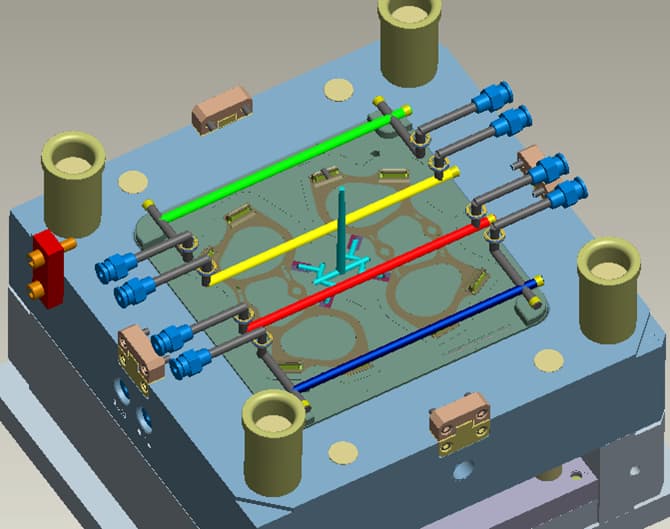
Cooling Channel Placement: Proper placement of cooling channels close to the mold cavity ensures even cooling. By using advanced techniques such as conformal cooling, which follows the contours of the mold, manufacturers can optimize cooling times and improve part quality.
Cooling Time Optimization: Cooling time is one of the most significant factors influencing cycle time. Efficient cooling systems can reduce cooling times, thus enhancing overall production efficiency.
4. Venting and Airflow Management
Effective venting is crucial for the smooth injection of molten material into the mold. Proper venting prevents air from being trapped inside the mold, which could otherwise lead to defects such as incomplete parts, voids, or surface blemishes.
Venting Locations: Vents are typically placed in the areas where air is likely to accumulate during the injection process. These are usually located at the farthest points from the injection gate, allowing the air to escape without hindering material flow.
Venting Size: The size of the vent holes should be minimal (around 0.02 to 0.04 mm in diameter) to prevent material leakage while still allowing air to escape efficiently.
5. Ejection System Design
An efficient ejection system is vital to ensure that the molded parts are removed from the mold without damage. Properly designed ejection systems prevent part deformation and reduce cycle times.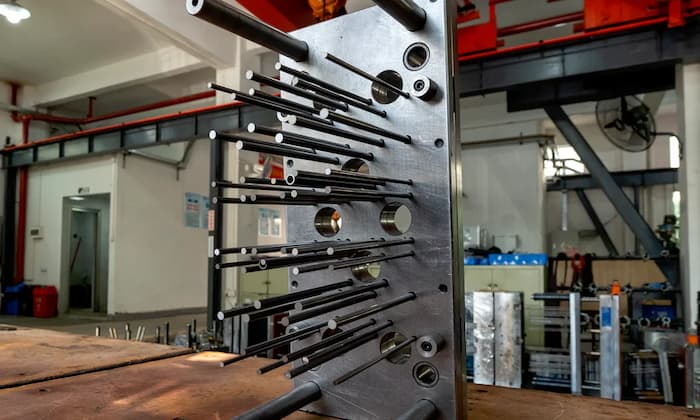
Ejector Pins: Ejector pins are used to push the part out of the mold, and their placement must be optimized to apply even force during ejection. Uneven pin placement can lead to part distortion or incomplete ejection.
Ejection Force: The force required to eject a part should be calibrated to avoid both excessive force (which can cause part damage) and insufficient force (which can cause parts to stick in the mold). Balancing the ejection force is essential for both part quality and production efficiency.
6. Tolerances and Parting Line Considerations
Precision is critical in mold design, as even the smallest deviation from the intended design can lead to defects. Managing the parting line, the area where the two mold halves meet, and controlling tolerances ensures that the final parts meet design specifications.
Parting Line Location: The parting line should be placed in an area that minimizes its impact on part appearance or functionality. Ideally, it should be located away from visible or functional surfaces to avoid defects.
Tolerance Control: Tight tolerances must be carefully managed throughout the mold design and production process. A mold that can consistently meet these tolerances is key to ensuring part quality and stability over time.
7. Mold Maintenance and Durability
To maintain stability during long production runs, the mold must be able to withstand the stresses of continuous use. Regular maintenance and monitoring ensure that molds continue to perform optimally.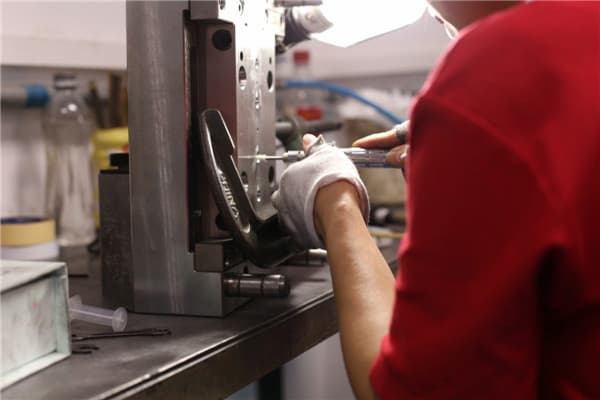
Wear Resistance: High-quality molds are designed to resist wear, particularly in areas that experience high friction, such as the gates and ejection pins. Surface treatments such as nitriding can further extend the lifespan of the mold.
Routine Maintenance: Regular inspections and maintenance help identify wear or damage before it affects part quality. Preventive measures, such as cleaning cooling channels and checking ejector pins, reduce the risk of mold failure.
Conclusion
Incorporating these critical considerations into the design of injection molds is essential to achieving stability in mass production. Mold geometry, material selection, cooling system design, venting, ejection systems, and mold maintenance all work together to ensure that the injection molding process is efficient, cost-effective, and produces high-quality parts consistently.
By focusing on these elements, manufacturers can reduce defects, minimize downtime, and increase production efficiency—ultimately achieving long-term success in mass production.